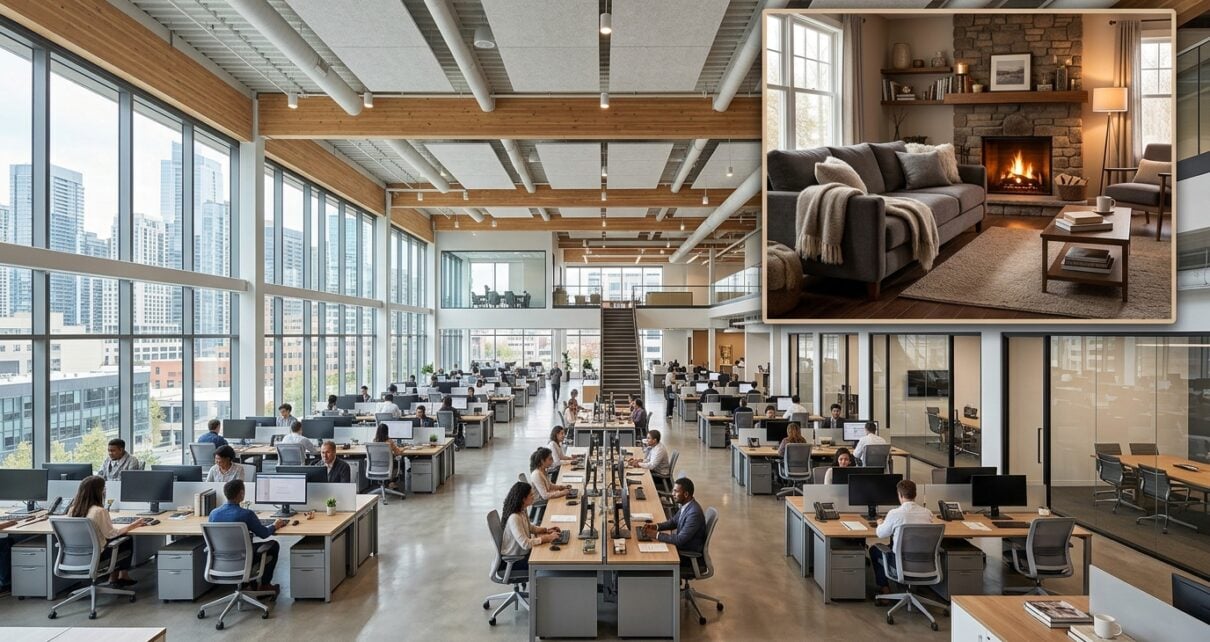
Creating a home that feels warm and personal is one of the most rewarding lifestyle pursuits. Many living spaces end up looking like carbon copies of showroom catalogs, filled with matching furniture sets that lack warmth and individuality. While modern trends can offer inspiration, true comfort comes from designing rooms that tell your personal story while supporting your daily habits.
When you approach interior styling with intention, you look beyond temporary fads and focus on what genuinely brings you ease. A thoughtfully arranged space adapts to the way you read, host friends, or unwind after a busy day. Achieving this balance does not require an overhaul of your entire residence, but rather a deliberate shift in how you select, arrange, and appreciate the items around you.
Defining Your Personal Interior Aesthetic
Before purchasing new decor or rearranging heavy furniture, take time to understand what visual elements make you feel settled. Some people feel energized by rich hues, patterned textiles, and eclectic art displays, while others find peace in minimalist palettes, clean architectural lines, and uncluttered surfaces. Gathering inspiration from art, nature, and architectural traditions can help clarify your aesthetic preferences.
If you want to move away from cookie-cutter designs, exploring dedicated creative platforms like Design Shanghai can provide fresh perspective on how bespoke elements and intentional layouts transform conventional rooms into expressive, lifestyle-driven living spaces. Observing how different cultures harmonize traditional craftsmanship with contemporary forms encourages you to trust your own instincts rather than adhering to rigid decor rules.
Begin by identifying three words that summarize the mood you wish to evoke in your main living quarters. Whether you choose grounded, bright, and welcoming, or moody, tactile, and quiet, keep these descriptors in mind as guiding principles. When you evaluate an accent piece or a new color choice, ask yourself whether it aligns with that core feeling. This simple filter prevents impulse purchases and preserves visual clarity.
Balancing Spatial Flow and Daily Comfort
A beautiful room quickly loses its appeal if it feels awkward to navigate. Spatial flow refers to the ease with which people move through a room and transition from one activity to another. Start by determining the natural pathways through your space, ensuring that doorways, windows, and primary passages remain free of obstacles. Pulling furniture slightly away from walls rather than pushing everything against the perimeter often creates a cozier, more conversational setting.
Seating arrangements should encourage natural interaction. Place chairs and sofas close enough to allow comfortable conversation without shouting, and ensure that every seat has a convenient surface nearby for a book or a cup of tea. For homeowners seeking practical guidance on optimizing floor plans and everyday living comfort, thehomepicz.com provides useful resources and tutorials that explain how to get the most out of your home environment.
Scale and proportion also play a fundamental role in spatial balance. Oversized sectionals can overwhelm compact living areas, while delicate furnishings can look lost in expansive rooms with high ceilings. Strive for visual weight that feels evenly distributed across the area so that one side of the room does not feel heavier than the other.
Layering Light and Tactile Textures
Lighting dictates the emotional tone of an interior more than almost any other design component. Relying solely on a single overhead ceiling fixture tends to wash out colors and create harsh shadows. Instead, adopt a layered approach by incorporating ambient, task, and accent lighting at varied heights throughout the room.
Floor lamps placed near reading chairs provide focused illumination, while small table lamps on sideboards and credenzas cast a soft, warm glow during evening hours. Dimmable switches give you the flexibility to transition from bright daylight tasks to relaxed nighttime ambiance. Whenever possible, position primary seating areas to take advantage of natural light during daytime hours, using sheer curtains to soften direct glare.
Texture is the subtle element that turns a flat room into a tactile retreat. Combining different materials introduces depth without requiring intense colors. Pair smooth wooden surfaces with woven wool blankets, matte ceramic vases, and natural linen cushions. The contrast between rough and polished textures invites touch and makes even simple neutral rooms feel rich and layered.
Curating Meaningful Accents Without Clutter
The objects you place on display give a home its authentic soul. Showcasing heirlooms, travel keepsakes, framed personal photographs, and regional pottery instantly sets your space apart from generic staging. However, there is a fine line between curated charm and chaotic clutter. Giving objects breathing room allows their beauty and craftsmanship to stand out.
When arranging open shelving, mantelpieces, or coffee tables, follow these simple styling practices to create visually balanced groupings:
- Group decorative objects in small clusters of three or five items to create dynamic balance.
- Combine pieces of varying heights, placing taller items in the back and smaller accents in front.
- Stack a few hardcover books horizontally to serve as elevated platforms for compact sculptures or candles.
- Introduce organic life, such as indoor plants or dried botanical branches, to bring softness and movement.
Rotate your decorative pieces periodically instead of keeping everything on display at once. Storing a few items away and reintroducing them after several months refreshes your living space without requiring any additional purchases. This seasonal rotation also makes cleaning easier and keeps your surroundings feeling dynamic.
Connecting Visual Style with Everyday Usability
A well-styled home must support the practical demands of everyday life. If maintaining a room requires constant fussing, the design will soon cause frustration rather than joy. Smart storage solutions, durable fabric choices, and organized surfaces allow you to preserve your aesthetic without sacrificing ease of use.
Tackling foundational storage projects and tailored layout fixes is often the first step toward lasting order. If you want to refine how your space operates before applying decorative finishes, reviewing our guide on practical DIY home upgrades can help you implement simple adjustments that streamline daily routines throughout your residence.
Incorporate dual-purpose furniture pieces, such as storage ottomans, benches with hidden compartments, and modular shelving units. These additions keep everyday items neatly tucked away while maintaining clean visual lines. Choosing stain-resistant textiles and washable cushion covers also ensures that your living area remains inviting for family gatherings and informal entertaining.
Ultimately, personal home styling is an ongoing evolution rather than a one-time project. As your routines, interests, and creative tastes change, your living space can adapt alongside you. By focusing on intentional arrangements, tactile warmth, and functional organization, you can cultivate an environment that feels both deeply personal and endlessly comfortable.