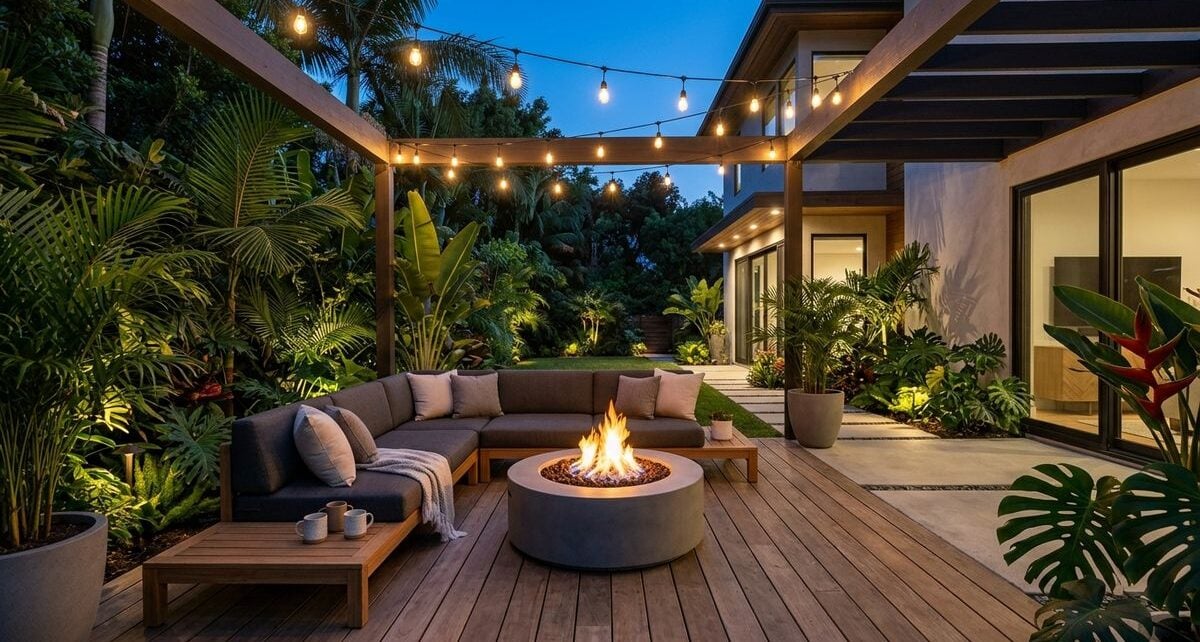
Modern daily life often moves at an unrelenting pace, where digital notifications, crowded commutes, and busy work schedules follow us right to our front doors. Finding moments of genuine stillness can feel challenging when the boundaries between work and rest become blurred. Establishing a dedicated outdoor sanctuary just steps from your living room offers an accessible way to decompress and reconnect with the physical world. A residential patio does not require expansive acreage or luxurious architecture to provide comfort. With intentional planning, even a modest exterior space can become an open-air haven that encourages relaxation.
Transforming an ordinary patio into a personal retreat begins with understanding your daily lifestyle. Whether you picture yourself enjoying quiet morning tea, reading under filtered sunlight, or resting among lush foliage, tailoring your outdoor environment to those specific activities ensures the space will be used often. When outdoor design aligns with daily routines, a simple deck or paved area naturally evolves into a meaningful extension of the home.
Assessing Spatial Flow and Defining Purposeful Zones
Before bringing in outdoor furniture or arranging decorative accents, spend time observing how your patio functions throughout the day. Take note of how natural light shifts across the floor from dawn until twilight, where refreshing breezes tend to gather, and which angles feel most exposed to street traffic or neighboring properties. Understanding these basic environmental conditions allows you to work alongside nature rather than against it, ensuring that seating is situated in spots that feel naturally sheltered and comfortable.
Establishing clear zones prevents an exterior space from feeling cluttered. Even within a compact footprint, separating areas by function creates visual order. You might dedicate a quiet corner to private lounging with a deep armchair while keeping another section open for potted greenery or a modest bistro table. Keeping walking pathways unobstructed ensures easy movement between your doorway and seating. Leaving open floor space around your main furniture allows the eyes to rest, making the entire patio feel more spacious, grounded, and tranquil.
Selecting Durable Materials and Structural Upgrades
An outdoor sanctuary must withstand the elements without demanding relentless maintenance. When selecting foundational furniture, prioritize durability and weather resistance. Hardwoods like teak or cedar, powder-coated aluminum, and high-density poly resin offer remarkable longevity against sun exposure and moisture. Choosing quality materials at the outset minimizes future repairs and keeps your outdoor retreat looking pristine across every season.
When planning structural enhancements such as durable paver installations, stone borders, or overhead pergolas, consulting expert construction perspectives can streamline the process. Homeowners who want comprehensive insights into exterior renovations frequently turn to PlantWare to explore practical guides on structural upgrades and refined home design. Understanding how different construction techniques handle long-term exposure helps ensure that your hardscaping investments remain sturdy, safe, and visually appealing over time.
Color choices for structural elements should harmonize with the surrounding landscape. Muted earth tones, warm timber stains, and neutral stone shades provide a calm visual backdrop. These subdued hues prevent visual fatigue and allow the vibrant foliage of your garden plants to take center stage, creating a cohesive, organic atmosphere.
Cultivating Natural Privacy and Sensory Calm
True relaxation requires an atmosphere where you can unwind without feeling observed. If an outdoor space feels exposed to nearby residences or pedestrian pathways, creating natural privacy screens should be a top priority. Freestanding wooden trellises draped in fragrant climbing vines, tall planters filled with slender bamboo, or layered ornamental grasses form gentle, living walls that soften harsh sightlines while welcoming fresh air.
Beyond visual barriers, crafting a restorative sanctuary involves engaging all the senses. Ambient acoustic details can transform a loud urban environment into a soothing haven. The gentle murmur of a compact, recirculating water fountain masks unwanted background traffic noise and encourages steady, meditative breathing. Fragrant herbs such as lavender, rosemary, and mint placed near seating areas release calming aromas whenever their leaves brush against passing hands.
The condition of your immediate surroundings has a profound impact on emotional wellness and daily perspective. As highlighted by electricmela.com, our physical home environment holds enormous power to transform how we feel and live each day. Thoughtfully adjusting your personal space reinforces the idea that inner calm begins within domestic boundaries. When an exterior retreat is curated with care, it becomes a daily grounding point that supports overall peace of mind.
Layering Soft Comfort and Ambient Lighting
To make an exterior retreat truly inviting, physical comfort should rival that of your favorite indoor reading nook. Hard metal or slatted wood seating benefits immensely from thick cushions wrapped in water-resistant fabrics. Layering soft outdoor throw pillows and washable throws adds tactile warmth during cool evenings. Incorporating a lightweight side table provides a convenient resting place for a warm drink or a book, allowing you to adapt the space to your mood.
Lighting is equally crucial for setting an inviting mood once the sun sets. Harsh overhead spotlights should be avoided in favor of warm, low-intensity ambient illumination. Solar-powered lanterns placed along pathways, soft-glow string lights woven through an overhead trellis, and safe flameless candles on side tables generate an intimate glow that encourages leisurely conversations and peaceful contemplation after dark.
Establishing Sustainable Care and Simple Daily Routines
A tranquil sanctuary should never become a source of tedious maintenance. Adopting sustainable, eco-friendly habits preserves your outdoor space while honoring natural resources. Gathering rainwater in barrels for container gardening, selecting drought-tolerant indigenous plants, and using organic soil amendments keep your garden thriving with minimal intervention. Just as embracing practical habits for a sustainable kitchen fosters order inside the home, maintaining mindful outdoor routines ensures that your patio remains effortless to manage.
A brief weekly upkeep routine keeps your outdoor sanctuary ready for spontaneous relaxation without demanding long hours:
- Sweep dirt and fallen leaves from walkways to maintain clean surfaces.
- Prune dry foliage and spent blossoms to encourage healthy plant growth.
- Store soft cushions in a dry deck box during rain to extend fabric life.
When these basic habits become second nature, the patio remains fresh and welcoming without consuming valuable weekend leisure time. Regular, gentle upkeep protects outdoor furnishings from premature weathering and keeps the open-air environment fresh, vibrant, and welcoming.
Creating an outdoor sanctuary is not about following fleeting decorative trends or undertaking costly, disruptive renovations. Rather, it is a deliberate process of shaping an open-air environment that supports quiet contemplation, rest, and personal renewal. By balancing durable materials, lush greenery, thoughtful privacy, and cozy comfort, you can transform an ordinary patio into a cherished retreat that enriches your daily home life for seasons to come.