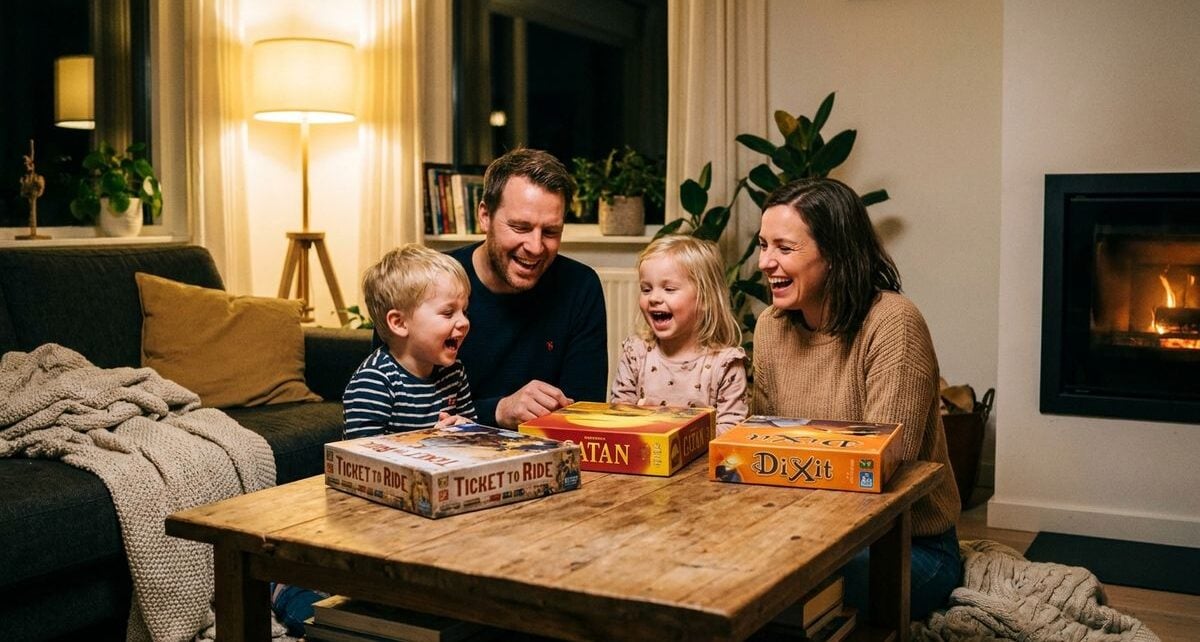
Callum ran a plant nursery on the edge of town, and his busiest weekends brought long lines at the checkout. Customers waited with bags of soil and trays of seedlings, and some of them grew restless as the minutes passed. He began wondering whether a small activity area could make the wait more pleasant. A corner with a few board games seemed like a modest experiment, and it turned out to teach him a great deal about how people spend time in a shop. This article follows his decisions and the lessons he drew from them.
It is written for owners and managers of local retail spaces who want to improve the visit without a major investment. The ideas apply to garden centers, hardware stores, bookshops and other places where customers sometimes wait. Every space has its own layout and limits, so the suggestions are meant to be adapted. The focus is on comfort, flow and staff workload.
Why Waiting Customers Get Restless
Callum began by standing near the checkout on a busy Saturday and watching the faces in line. Some people checked their phones constantly, while others looked around the shop for something to pass the time. A few children became bored and started wandering into the aisles. He realized that the wait itself was the real problem, not the length of the queue.
Readers may also want to visit Pinterst. The articles described how small distractions can make a line feel shorter. They also noted that families often appreciate a place for children to sit. Those ideas gave him a clear direction for the experiment.
Choosing Games That Fit the Shop
Callum selected a handful of simple card and board games that could be explained in a minute and finished in ten or fifteen minutes. He avoided complicated rules, because customers in a hurry rarely want to read a long instruction sheet. He also chose games with clear pieces that were easy to count and return. The selection stayed small so that the corner never looked cluttered.
You can also visit toptensbest.com for more reading. Callum picked a mix of quick puzzles and a few cooperative games that people could play with strangers. He labeled each box with a short sign that explained the rules in plain language. Clear presentation helped customers start playing without asking for help.
Setting Up Space Without Blocking Aisles
The corner needed to sit beside the checkout without interfering with the main walkway. Callum chose a spot next to a sturdy display of seed packets and placed a small table with two chairs there. He kept the surrounding floor clear so that carts and wheelchairs could pass easily. Safety and access always came before any decorative touch.
For a related read on this site, see How One Handyman Built a Home Sale Service. He moved the table twice before settling on the final position. The corner remained open and welcoming without crowding the shop’s other displays. Careful placement made the whole arrangement feel natural.
Staff Roles During Busy Weekends
Callum asked two team members to keep an eye on the corner during peak hours. Their job was simple: restock the games, tidy the pieces and greet families who sat down. This small responsibility gave the staff a way to connect with customers without slowing down the checkout. The arrangement also helped prevent games from wandering off or getting damaged.
He also set a rule that any missing pieces would be reported at the end of each shift. The routine took only a few minutes and kept the games complete. Staff members began to enjoy the interaction, and some of them suggested new games for the next season. A shared responsibility made the corner feel like part of the team’s work.
Measuring Whether It Helps
Callum wanted to know whether the corner was worth the effort, so he started noticing small signs of success. Customers stayed in line calmly, children stopped wandering, and several shoppers mentioned the corner on their way out. He also tracked how often staff needed to tidy the area. The feedback suggested that the investment was paying off in comfort and goodwill.
He admits that these observations were informal, but they gave him enough confidence to keep the corner going. Callum plans to rotate the games each season to keep the space fresh. He also intends to ask customers directly what they think. Simple feedback is often more useful than complicated reports.
Small Touches Add Up
The board game corner is now a regular part of the nursery’s weekend routine. It has not transformed the business overnight, yet it has made a long wait feel friendlier for many visitors. Callum believes that small, thoughtful touches can make a shop feel like a place people want to return to. A few well chosen games turned out to be a surprisingly effective welcome.