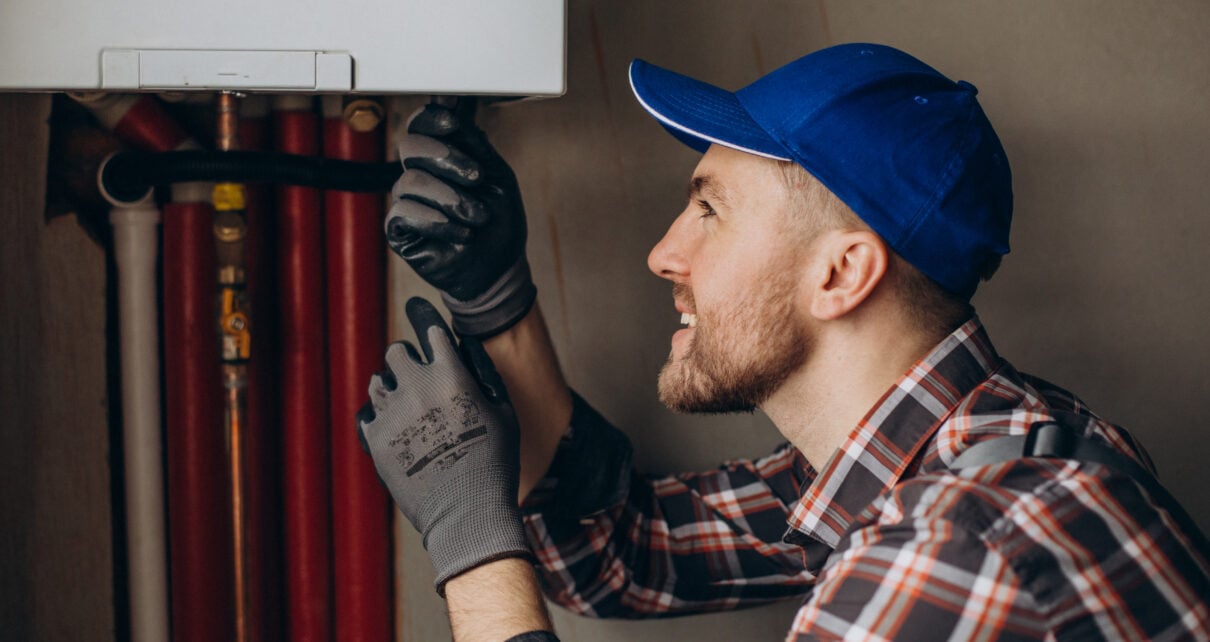
The shift from autumn to winter brings a distinct chill to the air, signaling that it’s time to start preparing your house for the colder months ahead. We often focus on raking leaves, checking the weatherstripping around our windows, and pulling our winter coats out of storage. Yet, the most critical part of winterizing your home is ensuring your central heating system is ready to carry the workload. Waiting until the first freezing night to turn on your system is a gamble you don’t want to take. To guarantee a warm, comfortable home and avoid unexpected breakdowns, scheduling professional heating services for a thorough inspection is the smartest move you can make. But what exactly goes into this annual tune-up? Understanding the specific tasks performed during a routine maintenance visit helps you appreciate the value of the service and keeps you informed about the health of your home’s most vital appliance.
The First Line of Defense: Evaluating the Air Filter
The air filter acts as the lungs of your HVAC system. Throughout the year, it traps dust, pet dander, and other airborne particles, preventing them from circulating through your living space. When a technician arrives for an annual checkup, evaluating the filter is always step one. A clogged filter forces the unit to work significantly harder just to pull in air. This extra strain reduces overall efficiency, spikes your monthly utility bills, and can eventually cause the system to overheat and shut down prematurely. While homeowners should change these filters every few months on their own, a professional visit ensures you have the correct size and MERV rating installed for your specific equipment.
Scrubbing the Blower Motor and Fan
Once the air passes through the filter, it reaches the blower motor and fan assembly. These components are responsible for pushing the warmed air through your ductwork and out into your rooms. Over time, a fine layer of dirt and grime accumulates on the fan blades. Even a thin layer of debris can throw the blower wheel off balance. This imbalance causes the motor to run hotter and louder, eventually leading to premature motor failure. During a comprehensive tune-up, the technician carefully cleans the blower assembly, ensuring the wheel spins freely and the motor operates smoothly without any unnecessary strain.
Inspecting the Burners and Heat Exchanger
For gas-powered units, the combustion chamber is where the real work happens. The burners mix fuel and oxygen to create the flame that warms your air. Over the summer, dust and even small insects can settle into the burner assembly. If the burners are dirty, they won’t ignite properly or burn the fuel efficiently. A technician removes this buildup to ensure a clean, blue flame. More importantly, they will closely examine the heat exchanger. This metal component separates the dangerous combustion gases from the breathable air entering your home. If the heat exchanger develops a crack, it can leak carbon monoxide into your living space. This inspection is a critical safety measure that protects your family from a silent, invisible threat.
Testing Safety Controls and Calibrating the Thermostat
Modern furnaces are equipped with a series of built-in safety controls designed to shut the system down if something goes wrong. For example, the flame sensor ensures that gas only flows when a flame is actively burning. If this sensor gets covered in soot, it might fail to register the flame, causing the unit to shut off repeatedly. A proper maintenance visit includes cleaning these sensors and testing the high-limit switch to ensure all safety mechanisms are functioning correctly. Additionally, the technician will check your thermostat and electrical connections. If the thermostat isn’t calibrated correctly, it might read the room temperature inaccurately, causing the unit to cycle on and off too frequently. Calibrating the thermostat ensures your system operates in perfect sync with your desired comfort level.
Lubricating Moving Parts and Inspecting Belts
A furnace relies on several moving mechanical parts to keep the air flowing. Just like a car engine, these parts require proper lubrication to function without grinding. Without adequate lubrication, the bearings inside the motors will wear out prematurely, leading to expensive repairs and irritating squealing noises whenever the unit turns on. A technician will apply the correct type of lubricant to all necessary motors and bearings. For older models that still use a belt-driven blower, they will also check the tension of the belt and inspect it for signs of cracking or fraying. Replacing a worn belt during a tune-up is a minor task, but dealing with a snapped belt in the middle of a blizzard is a significant headache.
Evaluating the Flue and Ventilation System
Once the combustion process is complete, the harmful exhaust gases need a clear path out of your house. The flue pipe carries these gases safely up and away. During the summer, birds or rodents sometimes build nests in the ventilation pipes, or the pipes themselves can develop rust and small holes. The technician will trace the exhaust system to ensure there are no blockages or leaks. Proper drafting is essential for both the efficiency of the unit and the safety of the household, ensuring that all harmful byproducts are safely vented to the outdoors.
Securing Peace of Mind for the Winter
Your furnace represents a substantial investment in your home’s comfort and safety. Treating it with the care it deserves through routine annual maintenance extends its lifespan and keeps your monthly energy costs predictable. By having a professional replace the filters, clean the internal components, verify the safety switches, and inspect the ventilation, you gain incredible peace of mind. You won’t have to spend your winter evenings worrying about sudden breakdowns or strange noises coming from the basement. Instead, you can simply relax, turn up the thermostat, and enjoy the cozy, consistent warmth that a well-maintained heating system provides all season long.