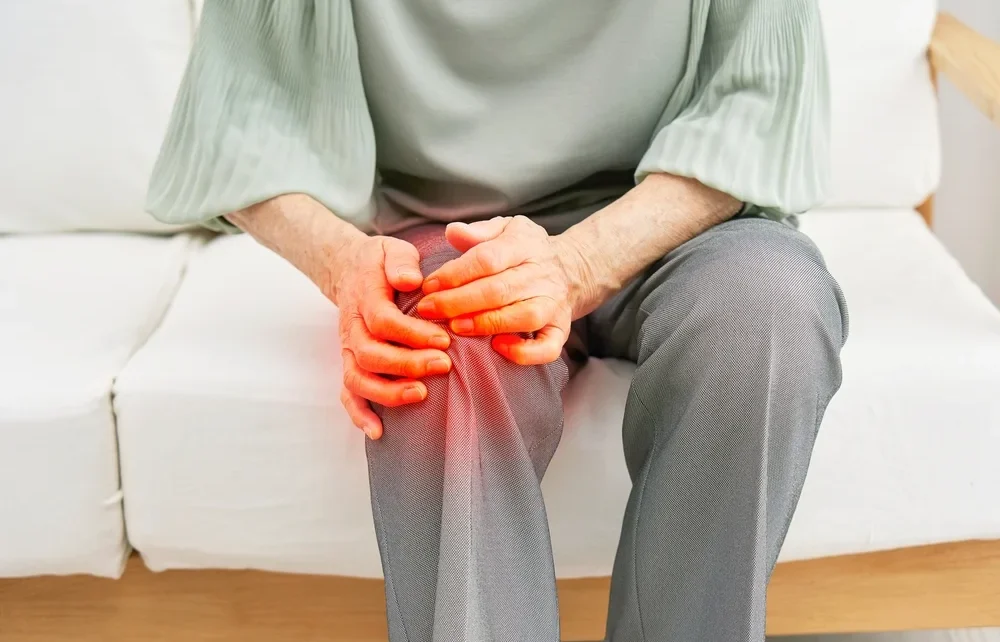
Cold packs and arthritis flare-ups come up together often, because many people with joint pain reach for ice when a joint becomes sore, swollen, or warm. Arthritis is a broad term covering more than a hundred conditions that affect joints, and the right self-care steps depend on which condition a person has and what the joint is doing. Cold is a common, inexpensive tool, but it is not a cure, and the evidence on how much it helps is mixed. This article gives general information on how cold is commonly used and what to discuss with a healthcare provider. It is not medical advice.
Different Conditions, Different Needs
Arthritis includes several common forms. Osteoarthritis, often described as wear-related, involves breakdown of cartilage and tends to cause pain and stiffness that worsen with use. Rheumatoid arthritis and other inflammatory types involve the immune system attacking the joints, which can cause swelling, warmth, morning stiffness, and fatigue. Gout causes sudden, intense attacks of pain and swelling, often in the big toe, from uric acid crystals.
Because these conditions differ, advice for one may not suit another. A person who is unsure about a diagnosis should see a clinician before relying on home measures for ongoing symptoms.
What a Flare-Up Looks Like
A flare-up is a period when symptoms worsen. Signs may include increased pain, swelling, warmth or redness over a joint, stiffness, and reduced movement. Flares can last hours, days, or longer, and triggers vary. Overuse, infection, illness, stress, changes in medication, or no clear cause at all may be involved. A flare that comes with fever, a hot, red, rapidly swelling joint, or an inability to move the joint should be evaluated promptly, since infection and other serious problems can look similar.
How Cold Is Thought to Help
Cold narrows blood vessels and slows the signals nerves send to the brain, which can dull pain and may limit swelling in an inflamed joint. Many people with a swollen, warm joint find that a cold pack gives temporary relief. Some also use it after activity that tends to bring on soreness.
The research is not as strong as its popularity suggests. Reviews of studies on cold for arthritis have often found limited or low-quality evidence, with small studies and varied methods. That does not mean it does not help some people. It means that results vary, and it should be one part of a broader plan rather than a stand-alone answer.
Cold Versus Heat
Many people wonder whether to use cold or heat. A common approach is that cold is used for acute swelling and inflamed, warm joints, while heat may be preferred for chronic stiffness and muscle tightness, since warmth can loosen tissues before activity. Some people with arthritis find cold stiffens their joints and prefer heat. Others alternate. Personal response and a clinician’s advice should guide the choice. If a joint is hot and swollen, heat can make it feel worse.
Using Cold Packs Safely
A few general habits help keep cold use comfortable and safe:
- Wrap the pack in a thin cloth rather than applying it directly to bare skin
- Limit sessions to the time recommended on the product or by a clinician, commonly around fifteen to twenty minutes for standard packs, with breaks in between
- Check the skin during and after each session
- Stop if there is increasing pain, numbness, unusual color, or skin changes
- Avoid falling asleep with a pack in place
- Use a wrap or strap if holding the pack is difficult, which is helpful for people with painful or stiff hands
Product directions, including use instructions, explain how to use a particular wrap, and a clinician’s advice takes priority.
Who Should Be Careful
Some people should talk to a healthcare provider before using cold. These include people with poor circulation, Raynaud’s phenomenon, nerve damage or reduced sensation, diabetes, cold sensitivity, or skin that is fragile. Older adults may have thinner skin and slower rewarming, so extra care is wise. Anyone with an open sore or a joint replacement should ask how to apply cold properly.
Part of a Bigger Plan
Cold packs work best as one piece of a larger approach. Medications prescribed by a clinician, gentle movement and exercise, physical therapy, weight management when appropriate, joint protection techniques, and rest during flares all play a role. For some people, assistive devices such as braces, splints, or grip aids reduce strain. Tracking flares and what seems to trigger them can help a provider adjust treatment.
People who are active with a condition, or who also deal with sports-related soreness, sometimes look at wraps in the sports recovery category because they stay in place and add gentle compression, but any product should be chosen with a clinician’s input.
Questions to Ask a Provider
It can help to ask:
- Is cold appropriate for my type of arthritis and the joints involved?
- How long and how often should I use it?
- Should I use heat at other times?
- What symptoms mean I should call right away?
- How does this fit with my medications and exercise plan?
Cold packs and arthritis flare-ups are a reminder that simple tools can be useful when used thoughtfully, and that personal guidance from a healthcare provider matters most.