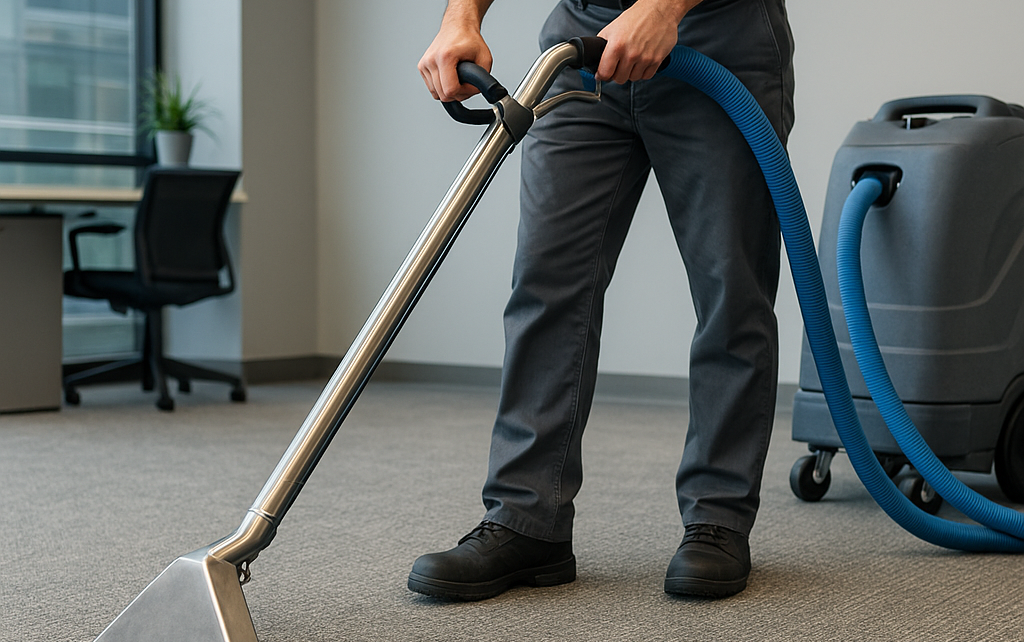
How Bay Area Businesses Can Choose the Right commercial carpet cleaning service depends on more than price. Homeowners, property managers, and small business operators must weigh carpet materials, soil levels, drying time, access, and the limits of routine cleaning. This guide explains how to compare providers, review quotes, and avoid a service scope that creates disruption or false expectations.
What Should You Assess Before Hiring a Cleaner?
Start by assessing the carpet’s materials, current condition, intended use, and cleaning risks. Those details should determine the process, service scope, schedule, and precautions.
Record the carpet fiber, construction, approximate age, warranty conditions, and manufacturer care instructions. Different materials and backing systems can respond differently to moisture, agitation, heat, and cleaning agents. A provider should review this information before recommending a method.
Document soil levels, visible stains, odors, traffic lanes, damaged backing, discoloration, and previous cleaning attempts. Note any history of leaks, flooding, or extended moisture exposure. Photos and room-by-room notes can establish the starting condition and clarify which problems cleaning may address.
Ask for a written scope that separates routine cleaning from restoration, deodorization, antimicrobial treatment, specialized stain removal, and water-damage remediation. These services have different objectives and may require separate assessments.
Finally, consider occupancy and access. Identify business hours, customer-facing areas, sensitive rooms, furniture that must be moved, security requirements, and drying time. Confirm when employees and visitors can safely return, especially if damp carpet, strong odors, or restricted areas could disrupt operations.
How Do Commercial Carpet Cleaning Methods Differ?
Commercial carpet cleaning methods differ in moisture use, agitation, chemical application, soil removal, and drying time. The right choice depends on the carpet’s fiber and construction, the type of soil present, and how quickly the space must reopen.
Hot-water extraction flushes and removes suspended soil with water and vacuum recovery. It may suit heavily soiled carpet, but the provider should assess backing condition, dye stability, moisture exposure, and available drying time first. Low-moisture cleaning uses less liquid and may reduce disruption in occupied facilities. Encapsulation applies a cleaning solution that surrounds soil for later removal through vacuuming. Other processes may combine preconditioning, mechanical agitation, spot treatment, and targeted extraction.
Ask for the specific equipment, products, dwell times, agitation steps, and recovery procedures included in the written scope. Confirm how the technician will address traffic lanes, food or grease residues, dye-sensitive areas, odors, and stains that may require separate treatment. Also ask what the company will not guarantee, such as complete removal of permanent discoloration or wear.
Cleaning frequency should also reflect the facility rather than a universal timetable. According to the U.S. Environmental Protection Agency’s carpet-cleaning guidance, there is no single recommendation for how often every carpet should be cleaned. Buyers should therefore consider manufacturer instructions, traffic patterns, visible soil, and the carpet’s condition.
How Bay Area Businesses Can Choose the Right Quote
A useful commercial carpet cleaning quote should describe the work in enough detail for providers to be compared fairly. It should identify the rooms, approximate square footage, carpet condition, included treatments, furniture handling, and exclusions.
Ask whether the technician will inspect the carpet fiber, construction, backing, and dye stability before selecting a process. The quote should explain how the crew will test products, protect walls and hard flooring, manage hoses or portable equipment, and document unexpected damage. Clarify whether stain removal, deodorizing, spot treatment, antimicrobial products, or water-damage work are included or priced separately.
Zerorez Bay Area describes its carpet cleaning bay area service information as part of its residential and commercial surface-cleaning offerings, so it can serve as one local reference point when comparing service scopes.
Scheduling details matter in occupied facilities. Confirm arrival windows, after-hours availability, building access requirements, elevator or parking needs, and who must move furniture or equipment. Ask for an estimated drying period, ventilation requirements, and instructions for keeping employees away from damp areas.
A strong quote should state what happens if carpet remains wet longer than expected, furniture cannot be moved, or technicians find damaged backing or prior water exposure. Those details reduce surprises and make the final price easier to evaluate.
What Risks Come With Carpet Cleaning Bay Area Services?
The main risks involve safety, access, moisture, and damage. A rushed or poorly specified service can disrupt operations, damage carpet or equipment, and leave a facility unsafe to reoccupy.
Wet carpet creates slip hazards and may require temporary restrictions around hallways, entrances, workstations, and meeting rooms. Confirm how the provider will mark damp areas, protect electrical equipment, move or replace furniture, and verify that the carpet is dry before employees return. Ventilation, indoor humidity, weather, and dense padding can extend drying time, especially in enclosed offices.
Not every problem belongs in a routine cleaning scope. Persistent odors, visible mold, flooding, sewage, or saturated padding may require restoration or specialized remediation. Ask the provider to explain where cleaning ends and restoration begins.
The written scope should also address color bleeding, browning, shrinkage, wicking, damaged seams, and stains that may not be removable. Request a pre-service inspection and document existing wear, loose edges, discoloration, and water damage. Clarify how the crew will report newly visible problems, who authorizes additional work, and who is responsible if pre-existing damage becomes apparent.
When Is Routine Carpet Cleaning a Poor Fit?
Routine carpet cleaning is a poor fit when the carpet has active moisture damage, structural failure, or problems that cleaning cannot reasonably correct. It is also the wrong scope when a buyer expects medical treatment or a guarantee that every allergen, odor, stain, or worn area will disappear.
Cleaning can remove accumulated soil and improve appearance, but it cannot reverse extensive delamination, damaged backing, permanent wear, or repeated water exposure. Widespread odor may also point to contaminated padding, moisture intrusion, or another condition that needs evaluation rather than another cleaning cycle. In those cases, repair, replacement, or specialized restoration may be more appropriate.
Postpone ordinary cleaning until active leaks, flooding, sewage, or saturated materials have been addressed. The affected carpet and padding should be evaluated before anyone adds more moisture. In an occupied facility, restrict access to wet areas and confirm who authorizes additional work.
A qualified provider should explain these limits during the inspection and separate cleaning from restoration, deodorization, stain treatment, and remediation. Ask for a condition-based maintenance plan that accounts for traffic, carpet construction, recurring soil, prior damage, and the timing of future service.
How Should You Compare Providers?
Compare providers by process transparency, inspection quality, scope clarity, and operational planning. The lowest quote may not be the best value if it excludes essential preparation, drying controls, or stain-related limitations.
Before choosing, ask each provider:
- Which cleaning method is proposed, and why does it suit the carpet?
- What products and treatments are included in the quoted price?
- How will the crew protect furniture, walls, equipment, and adjacent flooring?
- What drying conditions and reentry instructions should occupants expect?
- Which stains, odors, damage, or restoration needs fall outside the scope?
- How will unexpected conditions and additional charges be approved?
For additional general reading on home and property care, consult related property information from the destination site.
Key Takeaways
- Inspect carpet materials, backing, soil, stains, and prior moisture exposure before requesting a quote.
- Choose a cleaning method based on carpet construction, soil type, moisture tolerance, and the facility’s schedule.
- Separate routine cleaning from restoration, remediation, deodorization, and specialized stain treatment.
- Require written details about drying, reentry, exclusions, furniture handling, and unexpected conditions.
- Reject guarantees that promise to reverse permanent wear, structural damage, or every odor and stain.