The modern bedroom often ends up serving too many roles at once. It becomes an impromptu office desk, an entertainment hub, or a temporary holding station for unfolded laundry. When a room carries so much visual and practical weight, it stops feeling like a sanctuary dedicated to quiet recovery at the end of a demanding day. Reclaiming this personal haven does not require an overhaul of your entire floor plan. Instead, creating a truly restful room starts with deliberate choices about layout, surface management, and atmosphere.
By focusing on how the space feels and functions, you can design an environment that naturally encourages relaxation. Whether your bedroom is spacious or compact, thoughtful adjustments to furniture placement, textile choices, and ambient lighting can shift the overall mood dramatically. Cultivating peace in your sleeping quarters allows you to unwind effortlessly and wake up refreshed, ready to tackle the demands of daily life.
Establishing a Clean and Cohesive Layout
A peaceful room relies on intuitive movement and open pathways. The bed serves as the natural focal point, and positioning it against a solid wall away from direct doorway drafts creates an immediate sense of stability. Ensure there is enough clear walking space around the bed so that navigating the room in low light feels safe and effortless. Crowding too much heavy furniture around the entrance disrupts the feeling of openness the moment you step through the door.
When planning your layout, it helps to gather fresh layout concepts and home planning inspiration from communities like decoratingparty.com, where the focus centers on turning everyday rooms into comfortable, highly livable environments. Balancing open floor areas with appropriately scaled furniture ensures that each piece serves an intentional purpose rather than simply occupying empty square footage.
Consider how you move through the space throughout your morning and evening routines. Keep dresser drawers and wardrobe doors unobstructed so that getting dressed never feels cramped. If your room features an awkward alcove or quiet corner, treat it as an opportunity for a comfortable armchair or a simple accent plant rather than cramming additional storage bins into the area.
Selecting Soothing Colors and Layered Textures
Color holds a direct influence over our emotional state, making your palette choice one of the most impactful decisions in bedroom design. Bright, high-contrast patterns and overly saturated hues can feel energetic and stimulating, which works against the goal of winding down. Soft, earthy tones like warm beige, muted sage green, dusty blue, and gentle off-white bring a grounding quality to the walls and larger furnishings.
Texture provides visual warmth and tactile coziness without introducing distracting patterns. Layering breathable linen sheets with a plush wool throw or a quilted cotton coverlet invites comfort without overwhelming the senses. For those seeking broad inspiration on furnishings and decor pieces that complement a cohesive home aesthetic, browsing resources such as allhomedecors.com offers practical ideas for balancing accents across your living spaces.
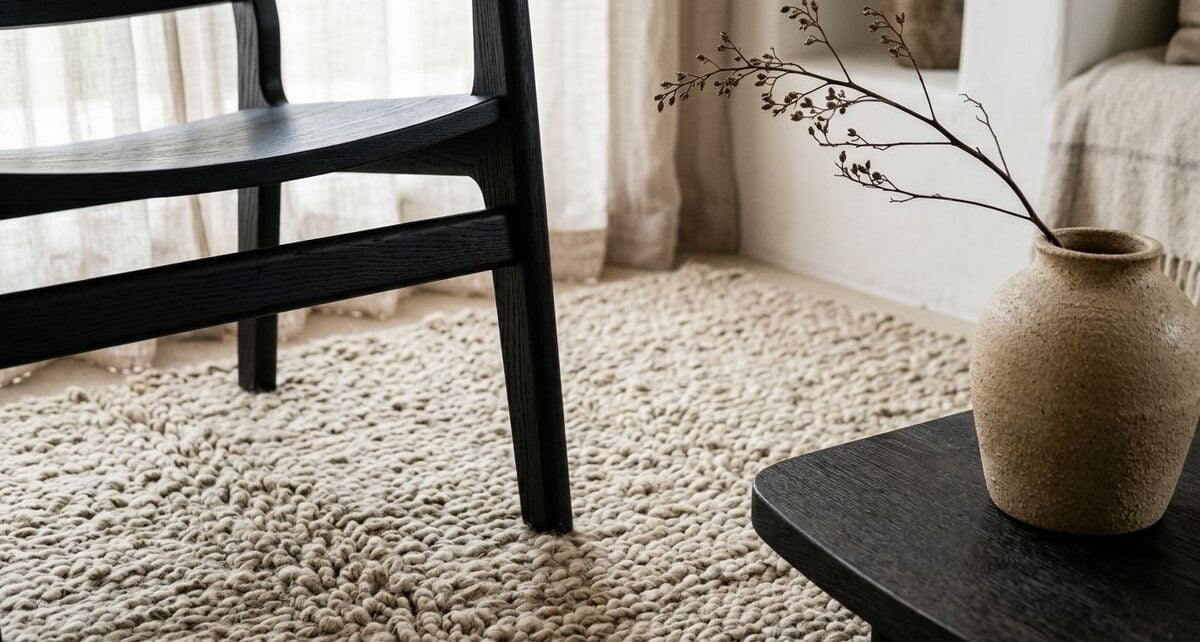
Do not overlook underfoot comfort when assembling your room textures. Stepping onto a soft, woven rug first thing in the morning establishes a gentle start to the day. Choose natural fibers that feel pleasant against bare skin, and position the rug so it extends beyond the sides and foot of your bed, anchoring the sleeping zone with warmth.
Managing Light and Ambient Sound
Controlling ambient light throughout different times of the day is essential for supporting a healthy rest schedule. During morning hours, natural sunshine helps signal alertness, while darkness is required for deep rest. Much like the principles applied when designing a relaxing and functional sunroom retreat, prioritizing natural daylight during the day while maintaining total privacy at night helps anchor your daily rhythm.
Incorporate a combination of sheer curtains and blackout window treatments. Sheer drapery filters bright afternoon rays into a soft glow, while heavier lined curtains or shades block out streetlight glare and headlights after dark. This dual approach allows you to adjust the room ambiance according to the season and the time of day.
Artificial lighting inside the room requires equal care. Avoid relying solely on a single harsh overhead ceiling fixture. Instead, install warm-toned lamps at different heights, such as on nightstands, dressers, or reading tables. Soft bedside lighting with dimming capabilities makes it easy to read or prepare for sleep without exposing your eyes to excessive brightness.
Smart Storage to Eliminate Visual Clutter
Clutter can introduce background stress, even when you are not actively focusing on it. Piles of books, tangled electronics cords, and scattered accessories keep the mind alert and distracted. Maintaining clear surfaces is one of the most reliable ways to sustain a quiet, serene environment in your bedroom.
Establishing consistent storage habits prevents daily items from accumulating across your nightstands and dresser tops. A few straightforward organizational habits make a noticeable difference:
- Keep bedside tabletops cleared of work items, loose paperwork, and electronics.
- Place laundry hampers inside closets or behind attractive woven screens to hide clothing.
- Store spare bedding and seasonal garments in closed under-bed boxes or wardrobe organizers.
- Designate a small bedside dish or drawer for personal accessories like reading glasses and watches.
Closed storage works far better than open shelving in a bedroom setting. Wardrobes with solid doors, dressers with smooth-gliding drawers, and nightstands equipped with cabinets conceal everyday essentials from plain view. When everything has an assigned home behind closed doors, your eyes can travel across the room without catching on unfinished tasks.
Personal Touches That Encourage True Rest
A restful bedroom should never feel sterile or impersonal. The goal is to create a setting that resonates with comfort and personal significance. Select a small collection of meaningful items that bring you joy, such as a favorite framed landscape print, a handcrafted ceramic vase, or a subtle scented candle infused with lavender or cedarwood.
Be intentional about keeping work tools and workout gear out of the room whenever possible. If you must share the room with an occasional desk setup, use a folding screen, a tall bookshelf, or a fabric partition to visually separate the workstation from your bed. Drawing a clear line between productivity and relaxation helps your brain recognize the bedroom as a place reserved for restoration.
Designing a calming bedroom is an ongoing process of refining what brings you peace and letting go of what creates friction. By giving priority to a thoughtful layout, serene colors, controlled lighting, and clutter-free surfaces, you transform your room into a private haven of daily renewal. Taking the time to craft this personal sanctuary provides a reliable source of comfort, offering you a quiet, restorative refuge each evening.