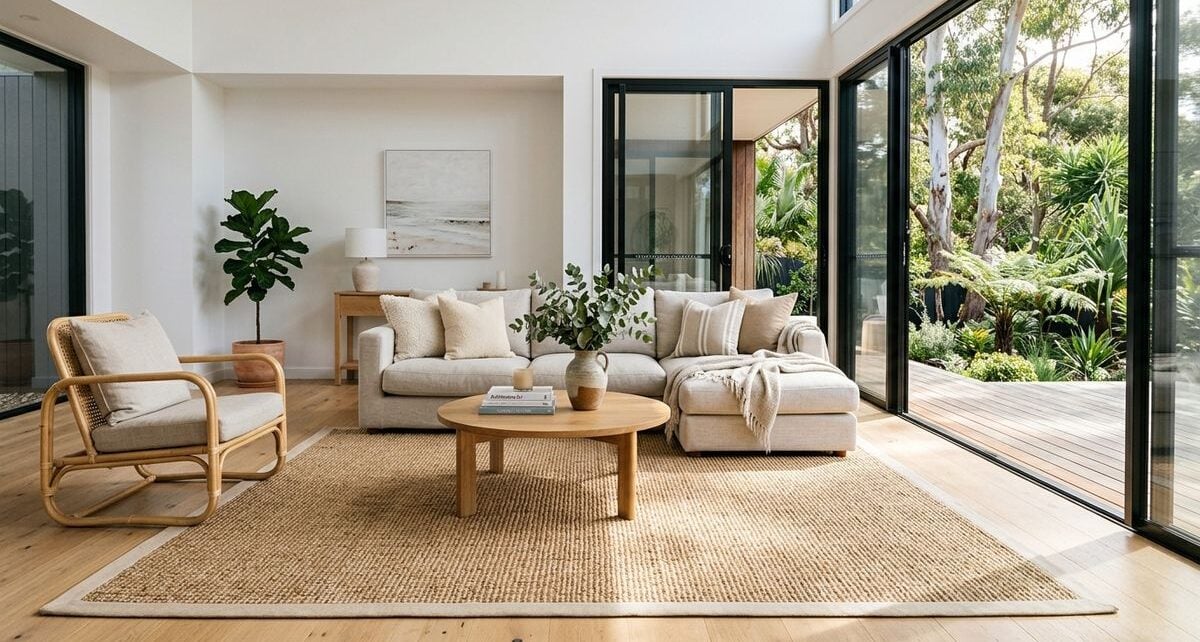
A living room often serves as the central crossroads of any residence. It is where household members gather to relax after a long day, where children play or study, and where guests congregate during informal get-togethers. Because this area accommodates so many different routines, it naturally encounters more wear and tear than any other room in the house. Striking an authentic balance between aesthetic charm and functional resilience can feel challenging, yet it remains completely achievable with thoughtful planning.
Many homeowners assume that creating an inviting, stylish atmosphere requires delicate furnishings that must be constantly guarded against accidents. In reality, a well-designed interior supports daily living rather than restricting it. When you focus on durable construction, adaptable surfaces, and intentional layouts, you can craft a shared space that looks polished while enduring the demands of daily activity.
By approaching your living area with realistic expectations and clear goals, you can assemble an environment that feels both welcoming and robust. The key lies in selecting versatile furnishings, establishing designated activity zones, and adopting protective solutions that blend seamlessly into your chosen decorating scheme.
Assessing How Your Household Uses the Space
Before introducing new accents or rearranging existing furniture, take time to observe the everyday patterns of your household. Notice where people tend to sit, where items accumulate, and how foot traffic moves between doorways. A room that looks beautiful in a catalog can quickly become frustrating if it impedes movement or fails to accommodate the specific habits of those who use it daily.
Consider whether your living room functions primarily as an entertainment hub, a quiet reading retreat, or a multipurpose zone where homework, projects, and leisure intersect. When a single area must handle multiple responsibilities, thoughtful spatial planning becomes essential. For instance, discovering how to design a versatile guest room and home office can provide valuable insight into arranging distinct functional zones within a single cohesive room.
Once you understand your primary traffic lanes, position larger furniture pieces away from primary pathways. This prevents bottlenecks and reduces the likelihood of accidental bumps or scuffs on baseboards and table corners. Establishing a logical circulation path ensures the room feels spacious and comfortable, regardless of how many people are sharing it at any given moment.
Protecting Core Seating and High-Contact Surfaces
Sofas, sectionals, and armchairs represent the core of living room comfort, but they also endure the brunt of daily contact. From frequent lounging to sudden spills, upholstery faces constant challenges that can quickly degrade delicate fabrics. Selecting resilient textiles such as tight microfiber weaves, performance linens, or treated cotton blends can significantly extend the lifespan of your main seating pieces.
For existing furniture that still retains solid framing and comfortable cushioning, protective coverings offer an effective way to update appearances while shielding fabric from dirt and abrasion. When you want to guard against daily friction and accidental spills while keeping a tailored appearance, visiting BestsofaCovers can help you explore quilted slipcover options that refresh existing seating without requiring an expensive upholstery overhaul. These coverings can be easily removed and washed, making them a sensible choice for active living rooms.
In addition to soft furnishings, hard surfaces like coffee tables and media stands require practical defenses. Opt for sturdy materials like solid hardwood, tempered glass, or sealed stone rather than fragile veneers that chip easily. Placing decorative trays on tabletops helps contain drinks and remote controls, creating a barrier that protects wood finishes from heat rings, moisture, and scratches.
Gathering Inspiration for Balanced Decor and Color Schemes
Developing a durable living room does not mean settling for a sterile or overly utilitarian aesthetic. Instead, it invites you to explore creative combinations of texture, tone, and practical materials that conceal minor wear while elevating visual appeal. Mid-tone neutrals, warm earthy shades, and subtle heathered patterns are particularly forgiving, as they hide occasional dust or marks far better than stark white or uniform dark fabrics.
Layering different textures adds depth and warmth without introducing fragile decorative elements. Textured throw blankets, woven window treatments, and durable flat-weave area rugs create visual interest while withstanding frequent handling. Looking at curated design portfolios like Groliehome provides practical visual guidance on combining functional layouts with modern interior accents across different household settings. Observing how experienced designers integrate resilient finishes into beautiful living spaces can spark ideas for your own updates.
Wall finishes also deserve careful consideration in high-activity areas. Matte paints can be difficult to clean, often burnishing or scuffing when wiped with a damp cloth. Selecting an eggshell or satin finish provides a gentle sheen that resists moisture and allows for straightforward spot cleaning, ensuring your walls maintain their fresh look even around busy entryways and seating clusters.
Implementing Smart Storage to Minimize Everyday Clutter
Clutter is often the primary reason a shared room feels chaotic and difficult to maintain. When belongings lack dedicated homes, they inevitably pile up on coffee tables, sofas, and floor space, creating visual noise and increasing the risk of accidents. Integrating built-in or freestanding storage solutions directly into your design scheme helps keep surfaces clear and preserves a calm, organized environment.
Multifunctional furniture is especially valuable in communal spaces. Storage ottomans, benches with hidden compartments, and credenzas equipped with adjustable shelving provide ample room for games, electronics, and seasonal textiles. By keeping frequently used items out of sight yet within easy reach, you maintain a streamlined aesthetic that accommodates spontaneous activities throughout the day.
To make daily organization straightforward for everyone in your household, establish dedicated zones for common items:
- Keep woven baskets near seating areas to collect extra throw pillows, blankets, or leisure reading materials.
- Designate a closed cabinet or low credenza shelf specifically for board games, charging cords, and electronic accessories.
- Place a small decorative tray or shallow bowl on an entryway console to corral keys, mail, and pocket items.
- Use sturdy fabric bins on lower open shelving to store children’s toys or hobby gear neatly out of direct sight.
Having clear, easily accessible containers encourages household members of all ages to return items to their proper places after use. This reduces the time spent tidying up each evening and ensures your communal living area remains relaxing and orderly.
Establishing Simple Habits for Long-Term Maintenance
Even the most durable materials benefit from consistent, gentle maintenance. Establishing a few straightforward routines prevents dirt from becoming deeply embedded and keeps furnishings looking crisp over time. Rather than waiting for a major deep-cleaning session, addressing small maintenance tasks regularly preserves your investment with minimal effort.
Make a habit of rotating and flipping loose sofa cushions every few weeks. This simple step distributes weight and friction evenly across all sides, preventing uneven sagging and extending the resilience of both foam inserts and outer fabrics. Regularly vacuuming upholstered seating with a soft brush attachment removes surface dust and grit that can act like fine sandpaper against textile fibers over time.
Address spills and stains promptly by blotting with a clean, dry microfiber cloth rather than rubbing aggressively. Keeping a gentle, fabric-safe cleaner on hand allows you to treat accidents before they set into the underlying fibers. By combining thoughtful preventative measures with consistent care habits, you can sustain an attractive, resilient living environment that comfortably serves your family for a long time.