There is an old saying in the angling world: “A cheap rod catches fish, but a cheap reel breaks hearts.” Fishing can be as expensive or as budget-friendly as you make it. You can catch catfish with a cane pole and a piece of hot dog, and you can catch bass with a fifty-dollar combo from a big-box store. For many weekends, that budget gear works just fine.
But if you spend enough time on the water, you eventually hit a wall. The plastic gears in a cheap reel strip out while you are fighting a redfish. The bargain-bin rain jacket soaks through three hours into an offshore trip. The dull hooks result in five lost fish in a row.
Learning where to save money and where to spend it is a rite of passage. You can save money on sinkers, buckets, and even certain lures. But when it comes to the core components of your setup, spending a little more upfront pays dividends in longevity and success. If you are browsing the inventory at a supplier, it is important to know which fishing gear is worth the premium price tag.
Here are the five items where you should absolutely open your wallet and splurge.
1. The Reel: Your Mechanical Advantage
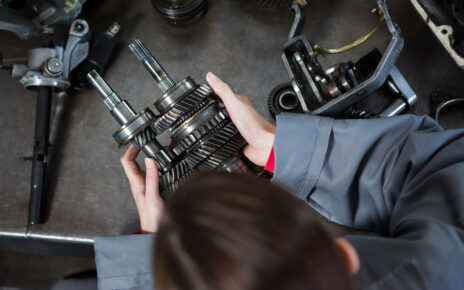
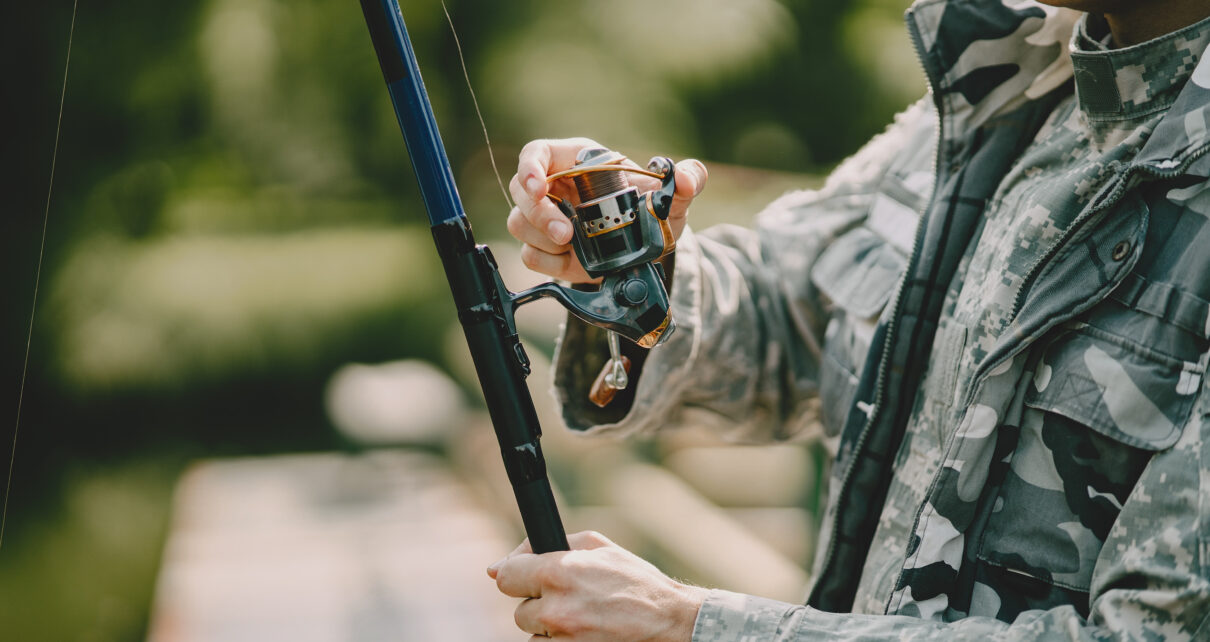
If you are going to spend big on one item, make it the reel. A fishing reel is a machine. It has moving parts, bearings, gears, and a drag system that relies on friction. In sub-$50 reels, these components are often made of plastic or low-grade pot metal. They feel smooth in the store, but after a season of saltwater spray and sand, they start to grind.
The biggest difference between a budget reel and a high-end reel is the drag system. When a big fish makes a run, you need the line to peel off the spool smoothly and consistently. Cheap reels tend to have “sticky” drags. The line pulls, then sticks, then jerks loose. That split-second of sticking is usually when the line snaps.
A quality reel features sealed bearings (to keep the salt out), brass or stainless steel gears (for torque), and a carbon-fiber drag system that stays buttery smooth even under heavy pressure. You don’t need the most expensive reel on the market, but moving from the entry-level to the mid-tier ($150-$250 range) will change your entire fishing experience.
2. Polarized Sunglasses: Seeing What Lies Beneath
Many anglers treat sunglasses as a fashion accessory or basic eye protection. This is a mistake. Good sunglasses are a piece of fishing equipment, just as vital as your depth finder.
Cheap gas station sunglasses simply tint the world darker. High-quality polarized lenses, however, act as a filter. They cut through the surface glare of the water, allowing you to see into the water column.
With a high-end pair of glass lenses, you can spot a bass bedding on a log, see a school of baitfish flickering, or spot a drop-off in the riverbed. The difference in optical clarity is massive. Furthermore, cheap plastic lenses often have slight distortions that cause eye strain and headaches after six hours of staring at the sun. Splurging on glass lenses gives you “x-ray vision” and keeps you comfortable all day.
3. Rain Gear: The Difference Between Fishing and Quitting
Fair-weather fishermen don’t need expensive rain gear. If you head back to the truck the moment it starts sprinkling, a $10 poncho is fine.
But the best fishing often happens in the worst weather. A low-pressure system moving in brings rain, wind, and aggressive feeding activity. If you want to capitalize on that, you need to be able to stay out there.
Cheap rain gear (PVC or rubber) keeps water out, but it also keeps sweat in. It doesn’t breathe. After an hour of casting, you are just as wet from condensation as you would be from the rain. It’s clammy, heavy, and miserable.
High-end weather gear (using materials like Gore-Tex) is waterproof and breathable. It blocks the wind and the rain while letting your body heat escape. This gear allows you to fish through a squall in comfort. It turns a miserable day into a productive one because you aren’t focused on how cold you are; you’re focused on the fish.
4. The Rod: Sensitivity is Everything
You can winch a fish in with a broomstick if you have to. But the joy of fishing—and the success rate—comes from sensitivity. Graphite rod blanks are graded by their modulus (stiffness-to-weight ratio). Budget rods are often made of fiberglass or a composite that is heavy and deadens vibration.
A high-quality graphite rod acts like an extension of your nervous system. It transmits energy instantly. You can feel the difference between your jig hitting a rock, dragging through weeds, or getting tapped by a walleye.
That sensitivity allows you to set the hook faster. With a cheap rod, by the time you see the tip move, the fish might have already spit the bait. With a high-end rod, you feel the bite in your wrist the instant it happens. Plus, the reduced weight means you can cast hundreds of times a day without your shoulder screaming at you the next morning.
5. Hooks: The Point of Contact
The hook is the single most important connection between you and the fish. Generic, bulk hooks are often made of softer wire and are chemically sharpened to a “good enough” standard. They dull quickly after dragging across rocks or oysters.
Premium hooks are engineered with higher-grade steel and cutting points that are surgically sharp. They don’t just poke the fish; they penetrate bone and cartilage with minimal pressure.
If you spend thousands on a boat, gas, and rods, do not lose the fish of a lifetime because you wanted to save $2 on a pack of hooks. Throw away the cheap hooks that come on your lures and swap them for premium ones. The increased hook-up ratio is worth every cent.
Worth the Splurge
You don’t need to mortgage your house to enjoy fishing. But there is a distinct difference between expensive and valuable.
Cheap gear is a rental; you use it for a season, it breaks, and you buy it again. Quality gear is an investment. A good reel, well-maintained, can last twenty years. A good rod makes every fight more exciting. And good rain gear ensures you are the last one standing on the bow when the bite turns on. Pick your battles, spend your money where it counts, and enjoy the confidence that comes with trusting your equipment.