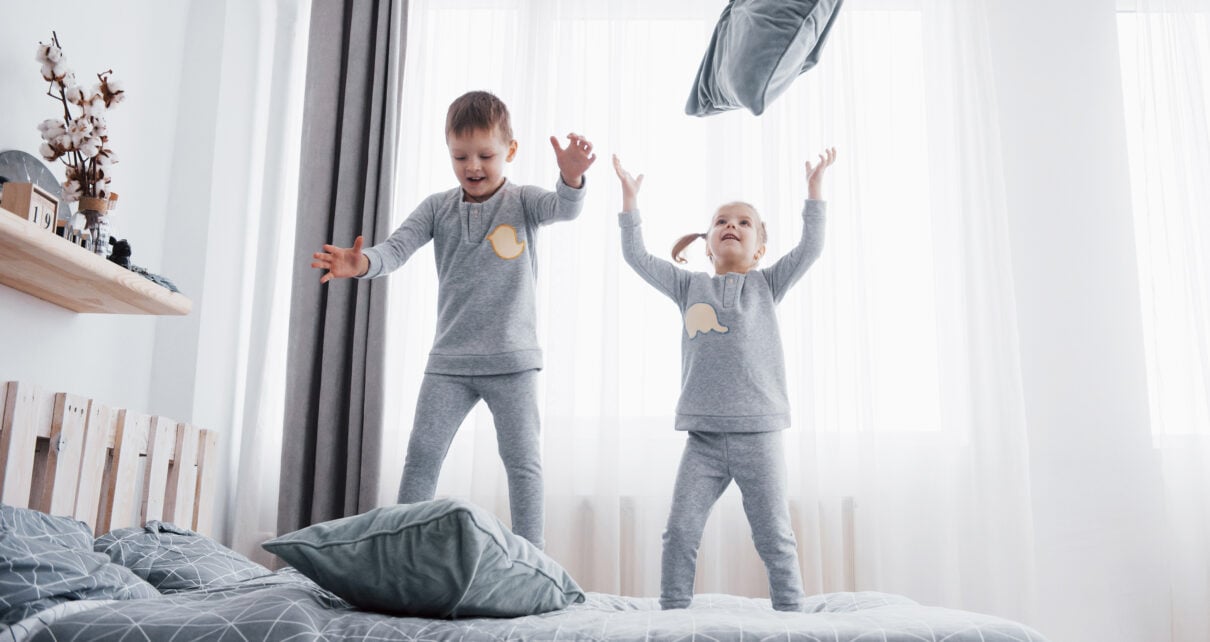
Any parent knows that the hour before bed can feel like a marathon. You finally get them through the bath, brush their teeth, and just when you think you’re in the clear, the pajama strike begins. Suddenly, the shirt is too itchy, the pants are too tight, and your toddler is refusing to put on anything at all. We usually blame their behavior on pure exhaustion, but the truth is, children are highly sensitive to what they wear. If their clothes are uncomfortable, they’re going to fight you.
The secret to a smoother nighttime routine is upgrading their kids’ sleepwear to something they genuinely look forward to putting on. It requires looking past the cute characters on the store rack and focusing on how the garment actually feels. Let’s look at how to choose the right pieces so you can finally end the bedtime wardrobe wars and get them to sleep.
Texture is Everything
Kids have incredibly sensitive skin, and they don’t have the patience to ignore a scratchy tag or a stiff seam. As adults, we might tolerate a slightly itchy sweater because we like how it looks, but a five-year-old simply won’t. If a piece of clothing causes even a tiny bit of discomfort, it usually gets ripped right off and thrown on the floor.
When you’re shopping, you need to feel the fabric the way a child would. Avoid stiff cotton blends that feel rough against the skin. Instead, look for ultra-soft, smooth materials that glide over their bodies. Check the inside of the garment, too. Bulky seams and stiff embroidery on the chest are notorious for scratching a child’s skin while they toss and turn. Opting for tagless designs and flat seams removes those tiny annoyances that quickly turn bedtime into a meltdown.
Temperature Control Matters
Kids are practically little furnaces. They naturally run hot, and if they wake up sweating in the middle of the night, nobody in the house is getting any sleep. A lot of standard children’s clothing is made from synthetic materials like polyester because it’s cheap to produce and holds bright colors exceptionally well. The main problem is that polyester traps body heat right against the skin. It doesn’t breathe, turning their bed into a stifling, uncomfortable environment.
To keep them comfortable, you have to prioritize breathability. Natural or plant-based fabrics are vastly superior when it comes to temperature regulation. These high-quality materials allow the air to circulate, venting out the excess heat while actively pulling sweat away from the skin. When your child stays cool and dry, they sleep much more soundly, and they won’t wake up complaining that their clothes are sticking to them.
Let Them Have a Say in the Style
While fabric quality is the most critical factor for you, your child only cares about how the outfit looks. If you want them to wear it without a fuss, you need to hand over a little bit of the control. Let them be part of the shopping process.
If you’re ordering online, narrow down your choices to three or four high-quality options that meet your strict standards for fabric and fit. Then, call them over to the computer screen and let them pick the final winner. Whether they choose a solid pastel color, a fun geometric print, or a subtle animal pattern, they’ll feel a sense of ownership over the decision. When the package finally arrives in the mail, they’ll be excited to wear the item they picked out themselves, completely eliminating the usual resistance you face at night.
Sizing for Comfort and Movement
Getting the size right is always a tricky balancing act. If the clothes are too tight, they restrict movement and dig uncomfortably into the waistline. If they’re too loose, the fabric bunches up under the blankets, creating annoying lumps that wake them up. You also have to consider basic safety; sleepwear that is overly baggy can easily become a tripping hazard if they get out of bed for a glass of water or a quick bathroom trip.
The sweet spot is finding garments with a comfortable, snug fit that still offers plenty of stretch. Fabrics with a little bit of natural give allow your child to climb into bed, stretch out, and roll around without feeling trapped. This stretchiness also extends the life of the garment, allowing it to easily accommodate those sudden, unexpected growth spurts so you aren’t replacing their wardrobe every two months.
Ditching the Distractions
Many outfits look adorable on the hanger but are a logistical nightmare when it’s time to actually sleep. Footie pajamas with complicated snaps, tops with bulky buttons, and hoodies with drawstrings might look cute for a quick photo, but they’re terrible for sleeping. Hard plastic buttons press into their stomachs when they roll over, and metal snaps feel cold against their skin.
Simplicity is your best friend here. Stick to classic, pull-on styles with soft, elastic waistbands. A simple two-piece set is easy for them to put on by themselves, which fosters independence and speeds up the evening routine. It also makes middle-of-the-night bathroom trips much easier, saving them from fumbling with confusing snaps in the dark when they’re half asleep.
Reclaiming Your Evenings
Getting your kids to wind down and go to sleep is hard enough; you shouldn’t have to battle them over their clothes, too. By shifting your focus away from cheap, synthetic novelty items and investing in breathable, thoughtfully designed pieces, you change the entire tone of the evening. When your kids feel cozy, cool, and comfortable, they relax much faster. Treat their bedtime wardrobe with the same care you treat your own, and you’ll quickly find that those stressful evening arguments become a thing of the past.


