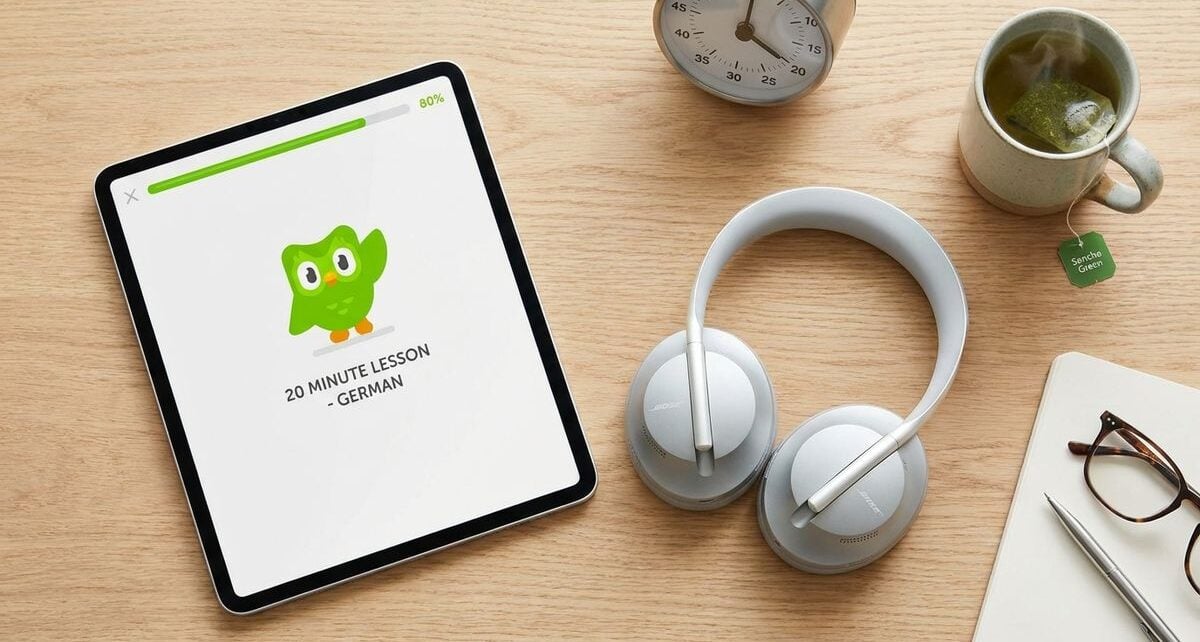
Developing staff skills is among the most worthwhile commitments a small business can make, yet it often gets pushed aside by daily demands. Owners and managers tend to imagine long classroom sessions that nobody has time to attend. In practice, brief learning moments that fit inside a normal shift can produce steady progress. This article explores how to design short education for busy teams, keeping the content focused, practical and easy to repeat. Good results depend on regular practice rather than occasional marathon workshops.
Breaking Skills Into Small Lessons
Begin by listing the skills that cause the most errors or customer complaints. Break each one into a lesson that takes no more than ten minutes to read or demonstrate. A single procedure, such as how to close the register or handle a return, is an ideal first topic. Readers may also want to visit new-politics.net. Narrow lessons are easier to remember and easier to fit into a quiet part of the day.
Those guides often recommend practice over lecture, and that advice holds up in small teams. Keep each lesson to one clear goal, and let the staff member try the task once before the shift ends. A short demonstration followed by one attempt usually teaches more than a page of instructions. Save the finished lessons in a shared folder so new hires can use them too.
Using Shift Start Huddles as Learning Time
A brief gathering at the opening of a shift can carry a lot of learning. Spend five minutes on one practical point, such as a new product detail or a common question from customers. Ask a team member to demonstrate the answer, which makes the lesson stick better than a summary does. Rotate the presenter so everyone has a chance to lead. You can also visit lpqueen.com for more reading.
Write the topic on a whiteboard so it stays visible during the rest of the shift. Quick reminders reinforce the lesson during busy moments without any extra meeting time. Staff often remember a point best when they heard it in their own work setting. Ask someone to note any question that the huddle did not answer, then cover it next time.
Keep a simple log of which questions come up most often across the month. Those patterns reveal where a new lesson would save the most time. Share the log during a team meeting so everyone benefits from the same observations. Good training grows from what people actually ask at work.
Creating Simple Practice Checklists
Checklists turn knowledge into habits. Write each one as short steps in the order people actually perform them, avoiding long paragraphs. Keep copies at the workstation so staff can check each step without searching through binders. For a related read on this site, see Lawn Service Contracts Owners Can Review in One. Review the checklist after a month to see whether any step causes confusion, and revise it accordingly.
Pair the checklist with brief practice, where a colleague observes and offers one specific comment. Specific feedback is easier to act on than general praise. Over time, the checklist can become a shared language that makes training faster for new hires. Keep the language plain so the steps stay easy to follow during a rush.
Print a copy of each checklist and laminate it so it survives daily use. Replace worn copies promptly, because faded text causes mistakes. Keep one spare beside the register or the workstation. Tidy materials signal that the training matters.
Measuring Progress Without Formal Tests
Progress does not always need a formal exam. Watch for fewer repeated mistakes, quicker handling of common tasks and more confident questions from new hires. Note these changes on a simple tracking sheet with one line per skill. Celebrate improvements in a short team message so people see that the effort matters.
Ask staff which lesson helped most and which one felt unclear. Their answers will guide the next round of short sessions. Keep the process respectful, and avoid turning training into a source of pressure. People learn faster when they feel safe to admit what they do not yet know.
Set one clear goal for each new skill, such as handling a common request without help. Review that goal together after two weeks and celebrate small steps along the way. Clear milestones make progress visible without turning the workday into a test. Visible progress keeps motivation steady during busy seasons.
Building a Learning Habit That Grows With the Team
Short, regular education builds a workplace that adapts when customers, products or routines change. The goal is not perfection, but steady improvement that feels achievable for everyone. Review the schedule each quarter and keep the lessons people value most. A team that learns a little every week rarely falls far behind.
Invite staff to suggest the next topic, since people value lessons they helped shape. Keep a running list of ideas in the back office so none are lost. Revisit that list whenever a new product or policy arrives. A learning culture grows from listening as much as from teaching.