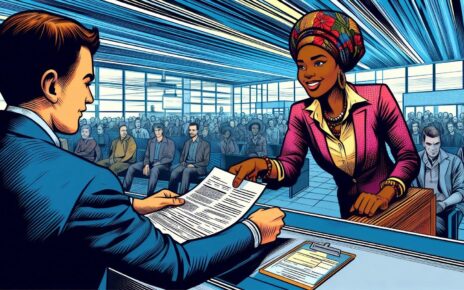
A festival booth often runs on tight timing, and a single problem can ripple through the whole day. A card reader may fail, a delivery may arrive late or the crowd may shift away from the booth entirely. Staff can feel the pressure quickly, especially when music and gaming fans are waiting in line. A calm reset at midday can rescue the afternoon, provided the team knows what to protect first. The best response is usually small, visible and shared by everyone at the stall. A quick huddle at the booth helps everyone agree on the next move. Teams that stay calm usually recover the sales faster.
Begin by deciding what must still happen before closing time. Protecting the core sales, the customer service and the basic safety checks matters more than any extra display. Write those three priorities on a board where everyone can see them. Then list the tasks that can wait, such as restocking a secondary table or updating a sign. A short, shared priority list keeps the team moving in the same direction. Read the list aloud once so every team member knows the plan. Keep the list short enough to read at a glance.
Rebuilding the Layout Quickly
A booth layout can usually be adjusted without tearing everything down. Move the highest-demand items to the front and keep the checkout within easy reach. Readers may also want to visit Labho.net. Use simple signs to guide visitors toward the products they want. Clear space around the counter also reduces the pressure on staff. Keep fragile items at the back and out of the way of crowds. A tidy front table signals an organized shop even on a busy day. Check the arrangement from the public side to see what visitors see. A quick walk around the booth often reveals a blocked view or a cramped corner. Replace any sign that looks faded or hard to read.
Protecting Stock and Cash Under Pressure
Stock and cash need steady attention when the crowd is large. Count the current stock against the morning list, and note any items that are missing or damaged. You can also visit canisiuscampus.net for more reading. Keep records for every sale, even for small purchases. Good records make the end-of-day reconciliation far less stressful. Count the float again at each break, so any difference is caught early. Keep the cash box in a fixed place so it is never left unattended. Store products that require age checks behind the counter. Follow the local rules about sales to younger visitors without exception.
Handling Crowds, Queues and Age Checks
A busy afternoon brings queues, questions and the need for clear age checks. Assign one team member to greet visitors and direct them to the right line. Keep the check process calm, friendly and consistent for every customer. For a related read on this site, see Ask Your Household First Before Booking Outside Help. Pause sales briefly if a queue becomes unsafe, and explain the wait politely. Customers are more patient when they know what to expect. A simple sign with the plan for the queue reduces impatience and repeated questions. Thank people for waiting, because a courteous tone defuses most frustration.
Managing the Power and Weather Risks
Festival grounds bring unpredictable conditions, from rain to failing power. Keep spare batteries, a backup charger and a dry sheet for the card reader and receipts. Cover stock and display items when weather turns, and move them under shelter if possible. Check the emergency contact and the site manager’s number before the day begins. Let staff know where the first aid point is located. A short briefing at the start of each shift covers these points. Preparation turns a sudden storm into an inconvenience rather than a crisis. Keep a short list of emergency contacts on a card in every staff pocket. Pack spare rain covers and a flashlight for dark moments.
Closing the Day Strong
Once the afternoon settles, take a short break to talk through what happened. Note which changes helped, which failed and what the team wants to try next. Thank the staff who held steady under pressure, because their calm response mattered. Update the booth checklist so the next event starts with the lessons already built in. A planned debrief turns a rough day into a useful template. Store the notes where the next organizer can find them easily. Sharing that knowledge makes the next booth easier to run from the first hour. Ask each member to name one thing they would do differently next time. Store the debrief notes with the event plan for future reference.
Ready for the Next Event
A booth plan that goes sideways by midday is not the end of a good event. Clear priorities, a quick layout change and careful records can rescue the rest of the day. Start the next event with the lessons from this one in hand. The next crowd will notice the difference. Good preparation is often invisible, but visitors still feel its effect.