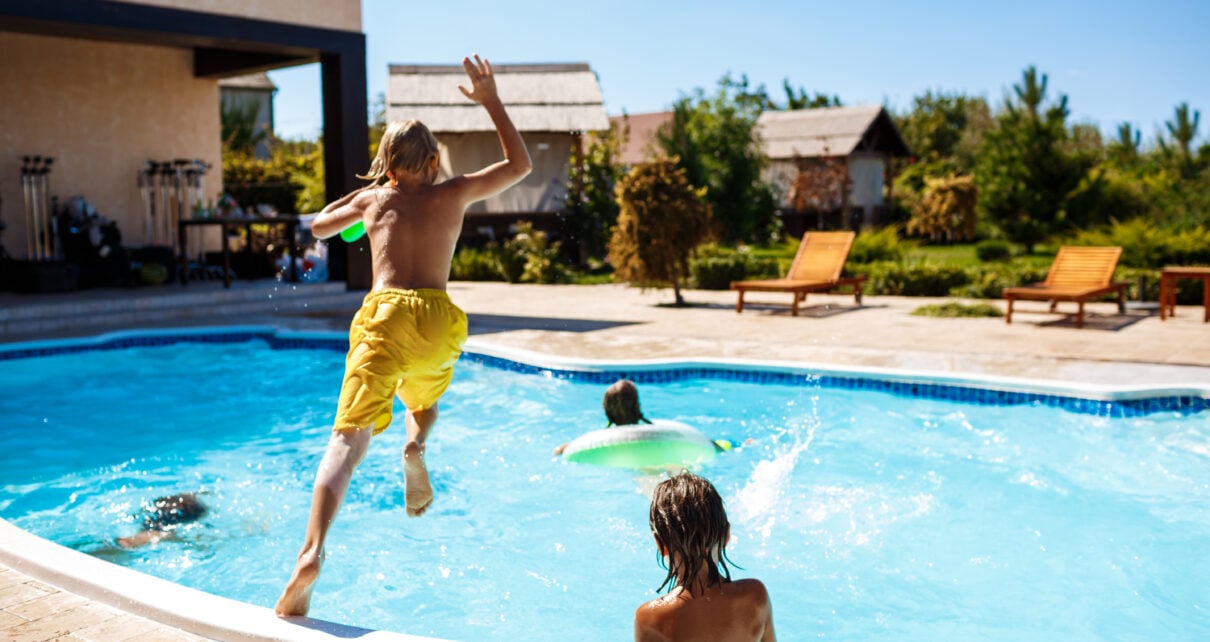
A neighborhood pool serves as the central gathering place during long summer days, where kids make memories and adults catch up with friends. If your homeowners association or community board is looking for a way to upgrade the space, adding a custom water slide is a brilliant choice because it transforms a standard swimming area into a localized resort. However, designing a feature for a shared community space requires far more thought than picking a standard model out of a catalog. You have to balance thrills with strict safety standards, accommodate varying age groups, and make sure the structure blends seamlessly with your existing deck and landscaping. Careful planning creates an exciting amenity that adds significant value to the entire neighborhood. Let’s look at the most important factors to consider when mapping out this exciting project.
Prioritizing Safety and Water Depth
Safety always comes first when designing a feature for a communal area. Because children of all swimming abilities will use the amenity, the landing zone must be perfect. Most custom designs require the slide to empty into water that is at least three and a half to four feet deep. This provides enough cushion for a safe landing without being so deep that inexperienced swimmers struggle to resurface. You also need to consider the clearance around the exit point. The landing area shouldn’t be aimed directly at the pool stairs, tanning ledges, or common lounging zones where other swimmers tend to gather. You want a clear, unobstructed path for the rider to enter the water and swim away safely before the next person takes their turn.
Maintaining Clear Lines of Sight
Supervision is another critical safety component in a shared setting. Whether your community employs lifeguards or relies on parents to watch their own kids, clear lines of sight are essential. When deciding where to place the ladder and the slide, make sure supervisors can easily see both the top loading area and the bottom splash zone from the main deck. You don’t want the structure hidden behind large trees, cabanas, or decorative rock formations that create blind spots. A well-placed design allows adults to monitor the action comfortably from their lounge chairs, ensuring everyone follows the rules and stays safe while having fun.
Evaluating Deck Space and Traffic Flow
Neighborhood pools often get crowded, especially on holiday weekends. Before committing to a specific footprint, you have to evaluate your available deck space. You don’t want a structure that dominates the entire patio, forcing residents to squeeze past each other to get to the restrooms or the snack bar. Placing the structure in a corner or along a curved edge of the pool usually works best. This keeps the climbing queue out of the main walkways and preserves your valuable lounging real estate. If the footprint is too large for your deck, consider a corkscrew design instead of a long, straight drop. Corkscrews provide an exhilarating ride while keeping the structural footprint tight and compact.
Choosing the Right Materials
When it comes to shared amenities, durability is just as important as aesthetics. The materials you choose will determine how well the structure holds up against constant use, intense sunlight, and chemically treated water. Fiberglass and high-density polyethylene are the top choices for community projects. Fiberglass offers a premium, glossy finish that feels incredibly smooth and looks fantastic. It resists fading and handles the wear and tear of a busy summer season beautifully. Polyethylene is another rugged option that stands up to the elements without corroding or losing its shape. Avoid older materials like thin acrylics or metals that can fade, warp, or rust over time. Investing in high-quality materials upfront saves your community association from costly repairs down the road.
Designing for All Ages
A neighborhood pool serves everyone from toddlers to teenagers, so your design needs to strike the right balance of excitement. If you make the pitch too steep, younger children will be too intimidated to use it. If you make it too gentle, the older kids will quickly lose interest. Working with an experienced designer allows you to customize the curvature and the slope to provide a fun, moderate thrill that appeals to a wide demographic. You can also customize the width of the slide. A slightly wider chute accommodates older teens and parents who want to join in on the fun, ensuring the amenity gets used by the entire community rather than just the little ones.
Understanding Plumbing and Water Flow
A great ride relies on a consistent, smooth flow of water to keep things slippery and fast. When planning the installation, you have to figure out how to supply water to the top of the slide. In many cases, you can tie the plumbing directly into the pool’s existing pump system to recirculate the basin water. However, if your current pump doesn’t have the capacity to push enough volume up to the top of the ladder, you might need to install a dedicated booster pump. The water flow dictates the speed and comfort of the ride, so getting the plumbing right is a crucial step in the design process.
Blending with the Landscape
A large recreational structure shouldn’t look like an eyesore or an afterthought. It should complement the overall aesthetic of your community space. Modern manufacturing allows for a wide range of color customization, so you can easily match the slide to your existing pool tiles, patio pavers, or clubhouse exterior. If your pool has a natural, lagoon-style design, you can incorporate faux rock formations or lush landscaping around the base and ladder to make it look like a natural waterfall. Taking the time to blend the structure into its surroundings elevates the look of the entire facility, turning a simple play feature into a stunning architectural focal point.
Upgrading your community space with a custom aquatic feature is an investment that pays off in endless smiles and stronger neighborly connections. By prioritizing safety, optimizing your deck space, choosing durable materials, and thoughtfully integrating the design into your landscape, you can create a backyard oasis that residents will enjoy for generations. Gather your board members, start brainstorming your ideal layout, and get ready to bring a whole new level of excitement to your neighborhood this summer.