|
What this covers
|
A mold remediation has a visible half and an invisible half. The visible half is removal: the affected material comes out, the area is cleaned, and it looks finished. The invisible half is drying the structure that is left, and it is the half that decides whether the job actually holds.
Skip it or rush it and the removal was cosmetic. The growth comes back, not because the removal was done badly, but because the thing that caused it was never addressed.
Removal Treats the Symptom
Mold growth requires a moisture source to continue. That is the whole mechanism, and it is the key to understanding why removal alone is not enough.
Removing affected material addresses the growth, not the moisture. Cut out the drywall, clean the surfaces, and you have taken away what grew. You have not taken away the reason it grew, which is the water still in the structure behind it. Leave that water and the conditions that produced the problem are still present, waiting for new material to colonize.
This is why a removal-only job is a job half done. It looks complete because the visible problem is gone. It is incomplete because the invisible cause remains.
Drying Is the Cause, Handled
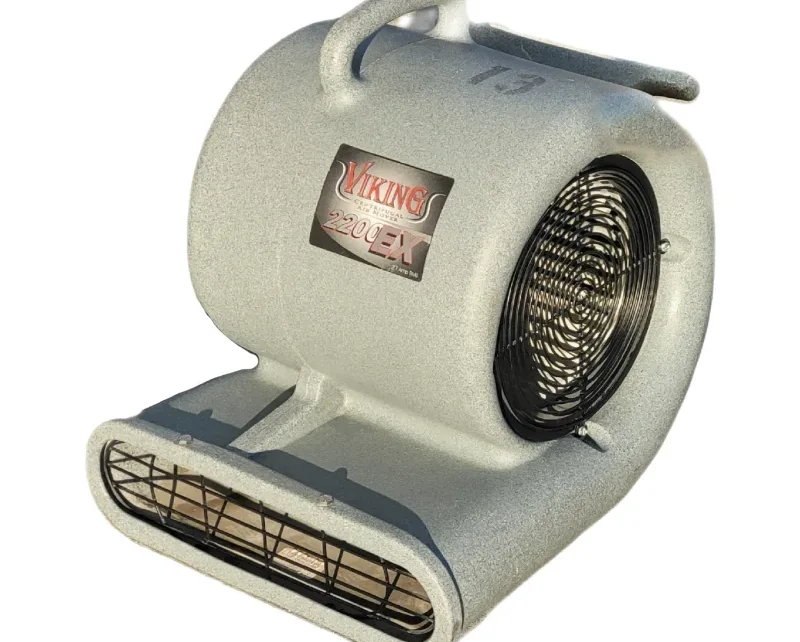
Once affected material is out, the structure behind it is usually wet. A dehumidifier and air movers dry the exposed structure, and it is the same equipment and the same method as any water loss: air movers break the still air against the wet surfaces, the dehumidifier pulls the moisture out of the room, and it runs until the material reads dry.
The critical word is reads. Drying is complete when material matches an unaffected reference, not when it looks dry and not when the machines have run a set number of days. The finish is a moisture reading taken against comparable dry material elsewhere in the building, the same discipline that governs a water loss.
A structure dried to a reading will not feed new growth. A structure that looks dry but still reads wet will, and the new wall hides it until it is a problem again.
The Reservoir in Slow Material
The reason this stage gets underestimated is that some materials hide their water. Concrete releases moisture slowly over weeks, so a slab that took on water keeps feeding moisture into the space long after the framing and drywall read dry.
Plaster behaves the same way. Where drywall becomes obviously soft, plaster can stay firm while remaining wet behind the finish, so it reads dry to the hand and wet to the meter. These slow-release materials are the hidden reservoir, and they are the reason a job that seemed dry on day three can still be feeding growth on day ten.
|
Stage |
What it does |
Finish |
|
Removal |
Takes out the growth |
Material is out, area cleaned |
|
Drying |
Takes out the moisture that caused it |
A meter reading against a reference |
|
Rebuild |
Only after the structure reads dry |
Sealed over confirmed-dry material |
Why the Order Cannot Be Rushed
The pressure on every job is to reinstate quickly, because everything visible looks finished once removal is done. That pressure does the most damage at exactly this stage, because the only thing saying the structure is not ready is a meter, and a meter is easy to overrule when the drywall is on the truck.
Rebuilding over material that still reads wet reproduces the original conditions behind a new wall. The job is then not finished, it is hidden, and it surfaces again on a timeline nobody is watching.
The Los Angeles Version
Local building stock stretches this stage. Plaster holds moisture longer than modern drywall, and it is common across the older parts of South and Central Los Angeles, so drying after a removal runs longer here than a generic estimate allows. Slab-on-grade foundations across the post-war tracts add the concrete reservoir, which keeps releasing moisture for weeks.
The practical consequence is that a Los Angeles mold job often needs a smaller machine left in place after removal for longer than people expect, drying the slow materials to a reading rather than pulling the equipment the moment the walls feel dry.
Renting for the Whole Job, Not Half of It
Because the drying stage is the one that decides the outcome, the equipment relationship should cover it. Remediation equipment rental in Los Angeles that holds the dehumidifiers and air movers alongside the scrubbers and containment is what lets a job finish the invisible half rather than stopping at the visible one. A supplier who provides both keeps the drying stage from being skipped. Coverage is on the Google Business Profile.
The Moisture Source, Not Just the Moisture
There is a step that sits alongside drying and is just as easy to skip: finding and stopping what let the water in. Mold growth requires a moisture source to continue, and a slab or a wall dried to a reading will take on water again if the thing that wet it is still active.
A leak behind the wall, a failed seal, a drainage problem, a recurring condensation point, any of these will re-wet a structure that was dried perfectly. So a job that dries the structure but leaves the source is a job that holds for a while and then does not, and the return looks like a drying failure when it is really an unaddressed source.
The drying handles the water that is there. Finding the source handles the water that would otherwise arrive next. Both have to happen, and a job that does the first without the second is buying time, not a result.
Why the Slow Materials Decide the Schedule
The practical reason drying gets rushed is that the materials that take longest are the ones that hide it best. Concrete releases moisture slowly over weeks, and plaster holds moisture longer than modern drywall, and both read dry to the hand long before they read dry to the meter.
So a job where the drywall is out and the framing feels fine looks ready to close, while the slab underneath and the plaster around it are still releasing moisture into the space. Close the wall on that schedule and the slow materials keep feeding the conditions that caused the growth, behind a finish where nobody will look.
This is why the finish point on a mold job is set by the slowest material, not the fastest. The framing being dry does not clear the slab, and the slab is often the one still holding water weeks later.
Equipping for the Invisible Half
Because the drying stage is the one that decides the outcome and the one most often under-resourced, the equipment plan has to carry it from the start. A mold job scoped only for the removal, scrubbers and containment, reaches the drying stage with no machines for it, and then the dehumidifiers and air movers get sourced separately, mid-job, as an afterthought.
A plan that carries the drying equipment alongside the removal equipment treats the invisible half as part of the job rather than a follow-on. On a Los Angeles job with plaster and slab in play, that drying equipment often stays on site after the removal crew is gone, finishing the slow materials to a reading. Scoping for it from the start is the difference between a job that holds and one that comes back.
The Sequence That Holds
A mold job that holds runs in a fixed order, and the drying is not the last afterthought but a planned stage with its own equipment and its own finish. Contain the area and bring it under negative pressure. Remove the affected material. Find and stop the moisture source. Dry the exposed structure to a reading, slow materials included. Confirm it is dry and clean before anything is closed up.
|
Step, in order |
Done when |
|
Contain and bring negative |
The area is sealed and pressure holds |
|
Remove affected material |
The growth is out |
|
Find and stop the source |
The water cannot return |
|
Dry to a reading |
Slow materials match the reference |
|
Confirm before closing |
Dry and clean are verified |
Skip or rush any of those and the job becomes a job that holds for a while. Skip the source and it re-wets. Rush the drying and the slow materials keep feeding growth. Close before confirming and the problem is sealed in behind a finish. Each shortcut buys time and spends the result.
The equipment has to carry the whole sequence, which is why the drying machines belong in the plan from the start rather than being sourced after the removal. A job scoped only for containment and removal reaches the drying stage empty-handed, and the stage that decides the outcome becomes the one that was improvised. Scoped for the whole sequence, the dehumidifiers and air movers are on site to dry the structure to a reading the moment the material is out, and on a Los Angeles job with plaster and slab in play, they stay long enough to finish the slow materials. That is what turns a removal into a remediation that holds.
The Short Version
Removal takes out the growth. Drying takes out the reason it grew. The job holds only if the structure is dried to a reading, slow materials included, before anything is closed up. Stop at removal and you have treated the symptom and left the cause sealed in the wall.