After a serious car accident, one of the most confusing moments for many drivers happens when the insurance company evaluates the vehicle and determines whether it should be repaired or declared a total loss. When a car is labeled a “total loss,” many drivers assume they no longer have any control over what happens to the vehicle.
In reality, Virginia drivers often still have options. Depending on the situation, you may be able to accept the insurance payout, keep the vehicle, or even explore trading it in at a dealership. Understanding how total loss determinations work can help you decide what to do next.
What Does “Total Loss” Mean?
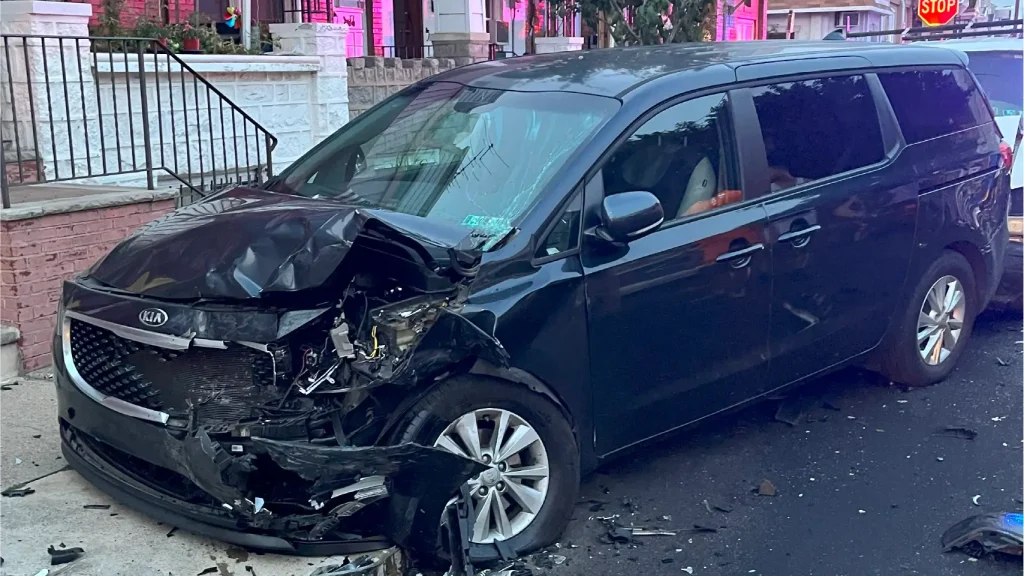
A vehicle is considered a total loss when the cost to repair the damage is close to or exceeds the value of the vehicle. Insurance companies use formulas that compare the repair cost to the car’s current market value.
For example, if a car is worth $10,000 and the repairs would cost $8,000 or more, the insurance company may decide that repairing the vehicle is not financially reasonable. In that situation, they may declare the vehicle a total loss and offer the owner a settlement based on its value before the accident.
Each insurance company has its own policies and calculations, but the general principle is the same: if repairs cost too much relative to the vehicle’s value, the car may be totaled.
What Happens After a Total Loss Decision
Once an insurance company declares a vehicle a total loss, they usually offer the driver a settlement payment. This payment is intended to represent the car’s fair market value before the accident occurred.
If the driver accepts the settlement, the insurance company typically takes ownership of the damaged vehicle. The insurer may then sell the vehicle at an auction where salvage buyers purchase damaged cars for repair, rebuilding, or parts.
However, drivers may also have the option to keep the vehicle instead of turning it over to the insurance company. This option is often referred to as “owner retention.”
Keeping a Totaled Vehicle
In some cases, drivers choose to keep their totaled vehicle. If you decide to do this, the insurance company usually deducts the salvage value of the vehicle from the settlement amount.
For example, if the insurance payout is $10,000 and the salvage value of the vehicle is $2,000, the driver might receive $8,000 and keep the damaged car.
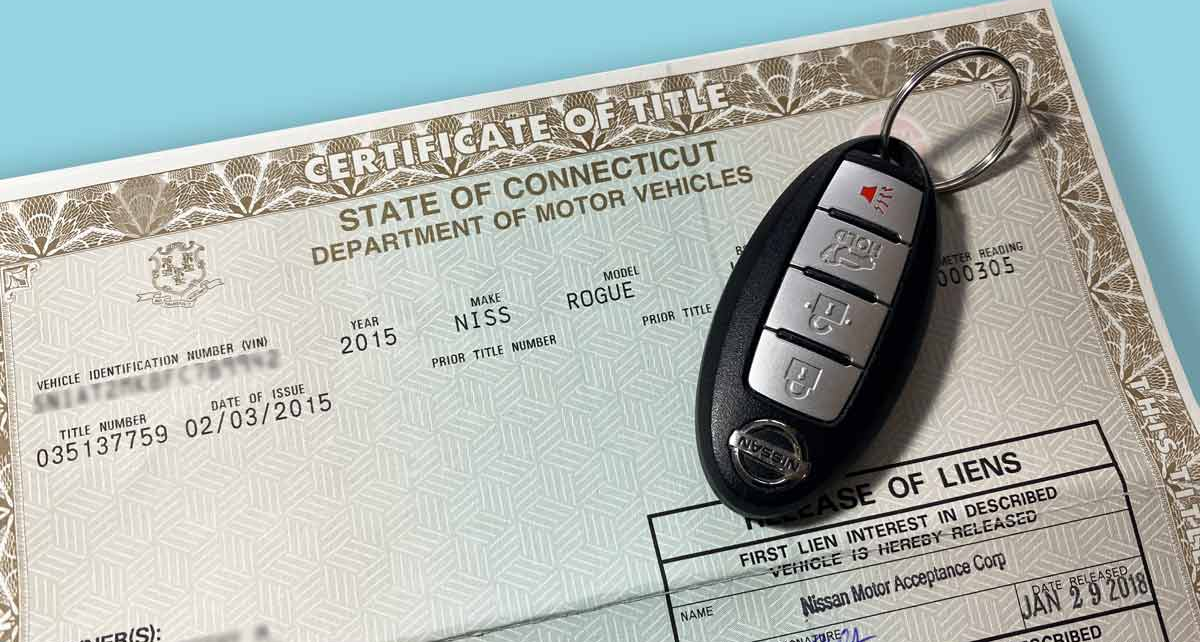
Vehicles kept after a total loss determination may receive a salvage title. A salvage title indicates that the vehicle has been declared a total loss by an insurance company.
While salvage vehicles can sometimes be repaired and driven again, they often have lower resale value than vehicles with clean titles.
Can You Trade In a Totaled Car?
Many drivers are surprised to learn that some dealerships may still accept vehicles with salvage titles as trade-ins. However, this depends on the dealership and the condition of the vehicle.
Dealerships must consider several factors when evaluating a salvage vehicle, including repair costs, resale potential, and local regulations. In many cases, dealerships may offer significantly less for a vehicle with a salvage title compared to a similar vehicle with a clean title.
Even so, trading in a salvage vehicle can still be an option for drivers who want to move on quickly from a damaged car.
When Trading In Might Make Sense
There are situations where trading in a totaled vehicle could be the right choice. For example, if the car still runs and drives but has cosmetic damage, a dealership may see potential value in repairing and reselling it.
Trading in the vehicle can also simplify the process of replacing your car. Instead of dealing with repairs, private buyers, or salvage markets, the dealership handles the transaction as part of your next vehicle purchase.
For drivers who want a fast and convenient solution, trading in the vehicle may be the easiest option.
When Accepting the Insurance Settlement Is Better
In many cases, accepting the full insurance settlement and allowing the insurer to take the vehicle may be the most practical decision.
If the damage is severe, repairing the vehicle may not be worth the time or cost. Additionally, vehicles with salvage titles often have lower resale value and may be more difficult to insure in the future.
Accepting the insurance payout allows drivers to move forward and focus on purchasing another vehicle without worrying about repairs or long-term issues.
Questions to Ask Before Deciding
Before deciding what to do with a totaled vehicle, it can be helpful to ask a few key questions.
How much is the insurance company offering for the settlement?
What is the salvage value of the vehicle?
How much would it cost to repair the car?
Would a dealership accept the vehicle as a trade-in?
Answering these questions can provide a clearer picture of your options and help you make a more informed decision.
Final Thoughts
When an insurance company declares a vehicle a total loss, many drivers assume they have no choices left. However, Virginia drivers often still have several options available.
You may choose to accept the insurance settlement and allow the insurer to take the vehicle, keep the vehicle and repair it yourself, or in some cases trade it in at a dealership.
The best option depends on the condition of the vehicle, the cost of repairs, and your personal goals. By understanding how total loss determinations work, drivers can navigate the process with greater confidence and make the decision that best fits their situation.