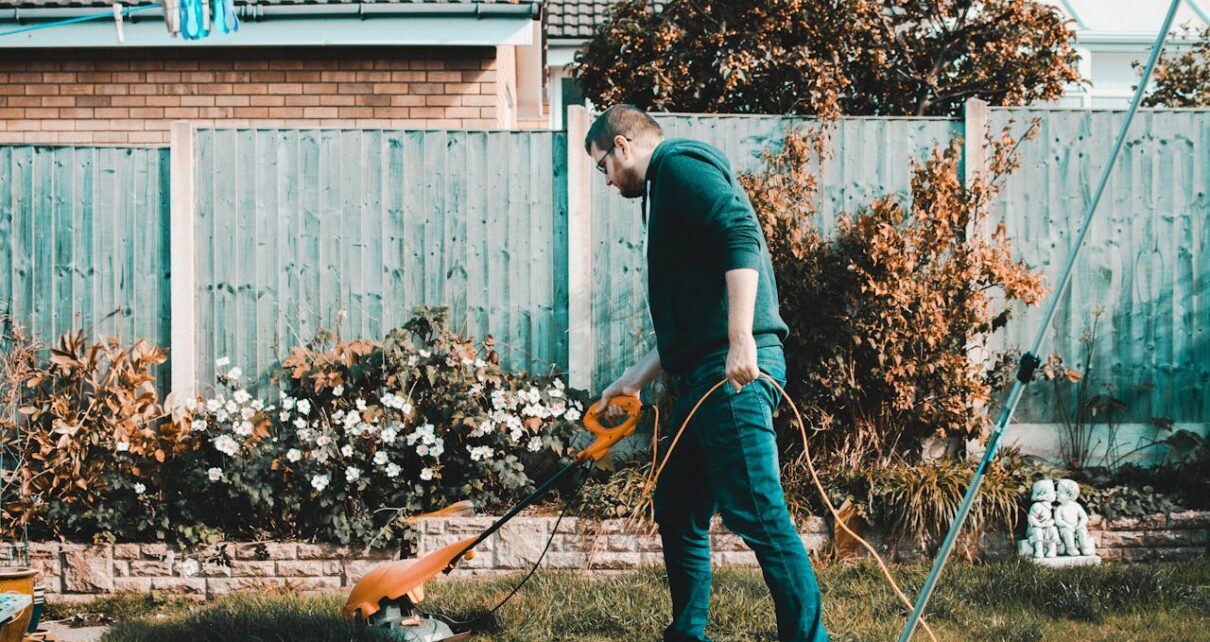
One of the most exciting parts of being a homeowner is the chance to shape your own little corner of the world. A new landscaping project is a blank canvas, an opportunity to create a beautiful garden, a functional patio, or a stunning outdoor feature that will bring you joy for years to come. As you scroll through inspiration online, it’s easy to get swept up in the beautiful “after” photos.
But the success of any project, and how long it will last, is completely dependent on what’s underneath: the foundation, the drainage, and the specific materials you choose. The supplies you’d need for a simple flower bed are completely different from what you’d need for a structural retaining wall. Understanding these differences and sourcing the right landscaping supplies for your specific goal is the key to a successful, long-lasting project. It’s about matching the material to the mission.
To show you why this is so important, let’s break down a few common projects and the unique supplies they require.
For a Simple Garden Bed
The Goal: To create a defined, fertile space for plants to thrive.
This is a relatively simple project, but choosing the right materials is still crucial for a healthy garden.
- Edging: A material like steel, stone, or rot-resistant wood is used to create a crisp, clean border. This isn’t just for looks; it keeps your lawn from creeping into your garden bed.
- Weed Barrier: A layer of landscape fabric or even simple, plain cardboard will suppress weeds and reduce your maintenance workload.
- High-Quality Soil: This is the most important ingredient. You’ll need to bring in a high-quality garden soil or compost that is rich in organic matter to provide the nutrients and proper drainage that plant roots need to flourish.
For a Structural Retaining Wall
The Goal: To safely and permanently hold back a slope of earth to create a level, usable area of your yard. This is a true construction project.
A retaining wall has to fight against the immense pressure of the soil and water behind it. Its success depends entirely on a strong foundation and proper drainage.
- A Compacted Gravel Base: A retaining wall cannot be built on bare dirt. It requires a deep, level, and compacted gravel base to provide a stable footing.
- The Wall Material: This could be interlocking concrete blocks, natural stone, or for a modern, permeable option, gabions (rock-filled wire baskets).
- Drainage System: This is the secret to a long-lasting wall. You need a perforated drain pipe and a layer of gravel behind the wall to collect water and channel it away. This relieves the hydrostatic pressure that can cause a wall to bulge and fail.
For a Paver Patio
The Goal: To create a solid, stable, and beautiful hardscaped surface for an outdoor living room or dining area.
A paver patio is like a giant, flexible puzzle. The layers underneath the pavers are what keep that puzzle from shifting and becoming uneven over time.
- A Deep Gravel Base: Just like a retaining wall, a patio requires a deep, compacted base of gravel (often 4-6 inches) to create a stable foundation.
- A Layer of Bedding Sand: A one-inch layer of coarse sand is spread over the gravel. This is what you will actually set the pavers into, allowing you to get them perfectly level.
- Edge Restraints: A plastic or metal edging is spiked into the ground around the perimeter of the patio to keep the pavers from spreading apart over time.
- Polymeric Sand: After the pavers are laid, this special sand is swept into the joints and then lightly misted with water. It hardens like a mortar, locking all the pavers together and preventing weeds from growing in the cracks.
Every project has a unique purpose, and that purpose dictates the specific materials you need. By taking the time to research the needs of your project, you can create a beautiful and functional landscape that is truly built to last.