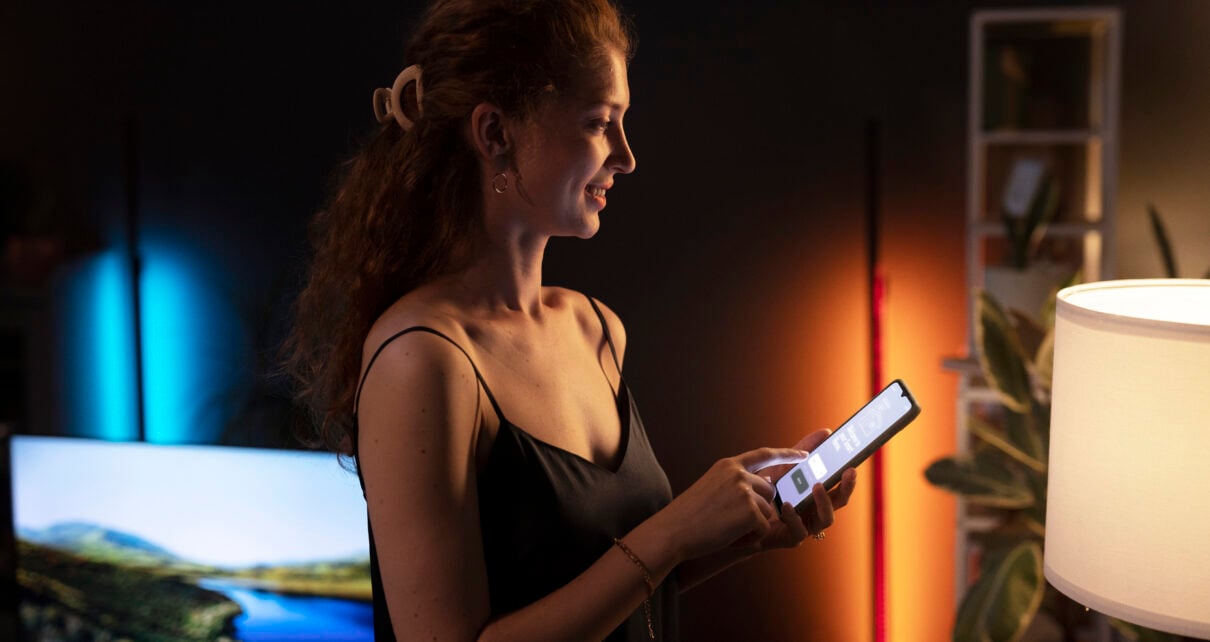
Running a successful hotel is a constant balancing act. You have to keep guests happy, manage a large staff, and maintain a sprawling property, all while trying to protect your profit margins. When travelers check into a hotel today, they expect a seamless, modern experience. They are used to controlling their lives through their smartphones and expect that same level of convenience when they travel.
Upgrading your property doesn’t have to mean completely gutting the building. By integrating modern touchscreen technology into your daily workflow, you can drastically improve how your staff operates and how your guests experience their stay. While many hotels have started using basic digital displays to show the weather or flight times, there are plenty of unique, highly effective ways to leverage these interactive tools to truly set your property apart from the competition down the street. Let’s look at how interactive displays can transform your hospitality business from the front desk to the back office.
Redefining the Check-In Experience
We’ve all seen the standard self-check-in kiosks at airports, and they’re slowly making their way into hotel lobbies. But you can push this concept much further. Instead of just handing out a room key, an interactive arrival station acts as a fully customized welcome center. When a guest taps their reservation, the screen can offer them tailored room upgrades, allow them to select their preferred floor, or let them choose specific room amenities before they even step on the elevator.
If they want extra towels, a specific type of pillow, or a late checkout, they can request it right there. To accommodate international travelers, these systems easily switch languages, ensuring everyone feels welcome the moment they arrive. This automates the upsell process for your business and instantly routes the requests to housekeeping, saving the front desk from fielding a dozen phone calls during the busiest part of the afternoon.
The Virtual Lobby Concierge
The traditional lobby pamphlet rack filled with faded brochures for local tourist traps is a thing of the past. Today’s travelers want dynamic, up-to-date recommendations. Installing a large interactive concierge board in the center of your lobby provides guests with a wealth of local knowledge without requiring a dedicated staff member to stand at a desk all day.
Guests can swipe through local restaurant menus, check the weather forecast, and view real-time transit schedules. You can even partner with local tour operators so guests can book excursions directly from the display. If a guest needs directions to a nearby museum, they can pull up a map and scan a code to send the walking route straight to their phone. By offering a curated digital guide to the city, you elevate the guest experience while freeing up your front desk staff to handle more complex customer service needs.
Upgrading the In-Room Experience
The standard hotel room phone rarely gets used for anything other than calling the front desk to complain. Replacing that dusty phone and the thick binder of room service menus with a sleek bedside tablet completely changes how guests interact with your property. An in-room smart hub lets guests order dinner, schedule a morning wake-up call, and request maintenance if the shower is leaking, all with a few quick taps.
You can also use these screens to push targeted promotions, like a discount on spa services or a happy hour special at the hotel bar. Furthermore, these screens integrate directly into the room’s environmental controls. Guests can adjust the air conditioning, close the motorized blinds, or turn off the lights without getting out of bed. When guests have total control over their environment through an intuitive interface, they’re much more likely to leave a glowing review after they check out.
Streamlining Event and Banquet Spaces
If your hotel hosts conferences, weddings, or corporate retreats, you know how chaotic event management gets. Printed schedules change at the last minute, leaving attendees wandering the halls looking for the right breakout room. Placing digital interactive signs outside of every meeting room solves this logistical nightmare.
These displays show the current event, the schedule for the rest of the day, and interactive maps pointing to the nearest restrooms or coffee stations. For the event organizers, you can include a hidden menu on the screen that allows them to instantly request more chairs, adjust the room temperature, or ask the catering team to bring in more water. It streamlines communication between the event host and your banquet staff, ensuring the event runs flawlessly without anyone having to run across the property to find a manager.
Revolutionizing Back-of-House Operations
While screens are great for the guests, they’re equally powerful for your staff. The back-of-house operations in a hotel often rely on messy whiteboards and endless printed checklists. Installing durable touch displays in the housekeeping breakroom, maintenance corridors, and kitchen prep areas keeps everyone on the same page.
Housekeepers can tap the screen to see which rooms are ready for cleaning in real-time as guests check out. Maintenance workers can view a prioritized list of broken appliances across the property and mark them as resolved the second the job is done. In the kitchen, chefs can track incoming room service orders digitally, reducing errors and ensuring food goes out hot. This real-time data flow eliminates the communication gaps that cause delays, ensuring rooms are turned over faster and the property stays in pristine condition.
Building a Smarter Hotel
Staying competitive in the hospitality industry means finding clever ways to do things better, faster, and more efficiently. When you rely on outdated paper processes and manual communication, things inevitably fall through the cracks. Bringing interactive screens into your lobby, guest rooms, and staff areas modernizes your entire operation. It empowers your guests to customize their stay and gives your team the real-time information they need to provide top-tier service. By embracing these digital tools, you aren’t just making your hotel look more modern; you’re building a smarter, more profitable business from the ground up that keeps travelers coming back year after year.