Practical tips for cabins, routines and balancing downtime with exploration ashore, especially for travelers choosing cargo ship passage as a slower, quieter and more deliberate way to move.
WASHINGTON, DC, preparing for a freighter adventure requires a different mindset from preparing for a flight or cruise, because the traveler is entering a working maritime environment where patience, documentation, flexibility, and self-sufficiency matter more than polished convenience.
The first thing to pack is the right expectation.
Cargo ship travel is not a cruise with fewer passengers, because the vessel exists to move freight safely and efficiently, while passengers remain a small secondary consideration inside a serious commercial operation.
That distinction matters before packing begins, because the successful freighter traveler understands that cabins may be comfortable, meals may be regular, and crew members may be friendly, but cargo and safety always come first.
The ship’s schedule can change due to weather, port congestion, cargo operations, customs processing, or operational decisions beyond passengers’ control, which means emotional flexibility is as important as luggage.
A traveler who expects cruise entertainment, airline certainty, hotel service and constant shore excursions may feel disappointed, while a traveler who expects quiet, routine and practical comfort may find the experience deeply rewarding.
The best preparation begins by accepting that a freighter voyage is not designed for leisure, but to carry goods across distance while offering passengers rare access to that working world.
Documents should be organized before clothing is chosen.
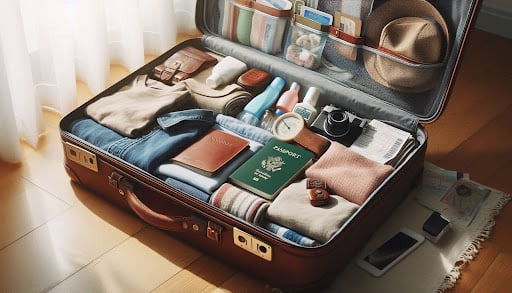
The most important items in a freighter traveler’s bag are not shirts, shoes or books, but passport, visas, medical paperwork, insurance documents, emergency contacts and printed voyage instructions.
Passengers should carry both paper and digital copies of all essential documents, as port access, immigration processing, carrier approval, and medical verification may occur in environments where ordinary traveler conveniences are limited.
A practical document folder should include passport copies, visa confirmations, insurance certificates, medical clearance, vaccination records if required, medication prescriptions, booking correspondence, and emergency contacts for both home and destination.
The U.S. State Department’s maritime safety guidance reminds travelers that sea travel requires preparation, especially when routes involve remote waters, industrial ports, or regions with specific security risks.
The traveler should treat documentation as part of safety, not bureaucracy, because a missing document can create more difficulty at a cargo port than at a passenger airport.
Medical clearance and insurance deserve early attention.
Commercial freighters generally do not provide the same medical support as large cruise ships, so travelers must be honest about their health, mobility, medication needs, and emergency coverage before they commit.
Some cargo-passenger operators require medical certification, especially for older travelers, because a vessel may spend days at sea without quick access to hospitals, specialists, or urgent evacuation support.
Passengers should pack enough medication for the entire voyage, plus delays, because cargo schedules can shift and port access may not provide reliable pharmacy options when a ship arrives briefly.
Insurance should be reviewed carefully for maritime travel, emergency evacuation, route changes, delayed embarkation, medical treatment abroad, and missed connections caused by vessel schedule changes.
A peaceful voyage begins with practical confidence, because the traveler can relax more fully when health planning, medication supply, and emergency coverage have been handled before departure.
Cabin packing should focus on comfort without clutter.
Freighter cabins are often practical and sometimes surprisingly spacious, but travelers should still pack simply because storage, laundry, and shopping options may be limited during the crossing.
Comfortable layers, soft indoor clothing, a warm sweater, weatherproof outerwear, deck-safe shoes, and sleepwear should matter more than dressy outfits designed for formal entertainment.
A cabin may include a bed, desk, bathroom, storage space, window, and sitting area, depending on the vessel, but the passenger should verify cabin details before assuming hotel-style amenities.
Travelers should bring personal toiletries, spare glasses, charging cables, a compact first aid kit, laundry supplies, a reusable water bottle, and enough small comforts to make the cabin feel settled.
The goal is not to overpack, but to create a private shipboard base that supports reading, sleeping, writing, and quiet thinking during long days at sea.
Deck clothing should be practical, layered and weather-aware.
Even warm routes can feel cool or windy on deck, especially when the ship is moving through open water and the passenger spends long periods outside watching the weather and horizon.
Travelers should pack layers that handle wind, sun, damp conditions, and shifting temperatures, as deck walks are often among the most important daily activities aboard.
Good footwear matters because commercial vessels have metal stairs, ladders, uneven surfaces, and operational areas where sandals or unstable shoes may be unsafe.
Sun protection, sunglasses, a hat, light gloves, rain gear, and warm layers may all be useful depending on route, season and expected time outside.
The deck is not a resort promenade, but a working ship environment, and the traveler who dresses practically will enjoy the open air more comfortably and safely.
Bring offline entertainment because the internet may disappear.
Many travelers imagine a freighter voyage as a productive remote-work retreat, but shipboard connectivity can be limited, expensive, unreliable, or reserved primarily for operational communication.
Passengers should download books, films, music, language lessons, documents, maps, and work materials before boarding, because ordinary cloud access may not be available once the vessel leaves port.
A notebook, journal, printed reading, sketchbook, camera, binoculars, and offline writing tools can become more valuable than digital subscriptions during long stretches at sea.
Remote workers should clarify whether they are truly taking time off, working offline, or attempting limited communication, because a freighter is not a floating coworking space.
The digital quiet can become one of the voyage’s greatest gifts, but only when the traveler prepares for disconnection rather than treating it as a technical problem to solve later.
The daily routine is simple, and that simplicity is the point.
A typical day aboard a freighter may revolve around meals, permitted deck walks, reading, writing, rest, weather observation, and occasional conversations with officers, crew or fellow passengers.
There may be a gym, lounge, sauna, or small recreational area on some vessels, but amenities vary widely and should never be assumed without confirmation from the operator.
Specialist cargo-passenger resources, such as Cargo Ship Voyages, emphasize that age limits, medical certification, and onboard services vary by route, vessel, and operator, making advance confirmation essential.
Passengers who thrive aboard freighters usually enjoy routine because the ship removes the constant pressure to choose, consume, photograph, and fill every hour with activity.
The rhythm can feel almost meditative after several days, because ordinary life narrows into meals, movement, sea, sky, and enough silence for deeper thought to return.
Food is usually practical rather than performative.
Meals aboard a commercial freighter are generally served according to ship routine, not passenger preference, and travelers should expect practical food rather than cruise-style abundance.
The mess room can become the social center of the voyage because repeated meals create routine contact with officers, crew, or fellow passengers in a small, contained environment.
Passengers with dietary restrictions should clarify options before booking, because cargo vessels may have limited flexibility compared with hotels, restaurants or cruise ships.
It is wise to bring a few personal snacks, tea bags, electrolyte packets, or comfort foods, provided ship rules allow them and the items do not create customs problems.
The meal experience is valuable when properly understood, because it offers a glimpse into working-ship life rather than a hospitality performance built around passenger indulgence.
Shore leave requires modest plans and quick adaptation.
A port stop may offer only a few hours ashore, while some routes occasionally allow longer stays of 2 or 3 days when cargo operations and vessel schedules permit.
Passengers should plan shore leave simply, focusing on one neighborhood, one meal, one errand, or one cultural stop rather than trying to recreate a cruise-style excursion schedule.
Ports are industrial environments, which means shore access can depend on immigration clearance, terminal rules, security escorts, local transportation, cargo timing, and the captain’s instructions.
Travelers should always return early, because a cargo vessel cannot casually delay departure for a passenger who misjudged traffic, got lost, or underestimated port security procedures.
The best shore-leave strategy is to enjoy what the port realistically allows, while remembering that the voyage exists around cargo movement rather than sightseeing promises.
A small day bag should be ready before every port.
A port bag should include a passport, a port pass if issued, a phone, a charger, local currency, payment cards, medication, water, a rain layer, emergency contacts, and written return instructions.
Travelers should also carry the ship’s contact details and the local agent’s information, because industrial port areas can be confusing, and return routes may not be obvious.
A portable power bank is useful because shore leave often becomes the first chance to reconnect, update family, download messages, confirm banking, and review onward plans.
Passengers should avoid carrying unnecessary valuables ashore, especially in unfamiliar port districts where transport, timing, and security conditions may be uncertain.
The goal is to move lightly and practically, because a freighter shore stop rewards focused errands and calm exploration more than ambitious tourism.
Privacy-minded travelers should prepare their visibility profile.
Freighter travel appeals to many privacy-conscious travelers because it can reduce exposure to crowded airports, hotel lobbies, rideshare systems, tourist zones, and constant public-facing movement.
A detailed guide to freighter travel, privacy and slow mobility explains how cargo ship movement can support lawful discretion when paired with accurate documents and realistic compliance planning.
That privacy value does not mean invisibility, because cargo ship passengers still move through manifests, port authorities, customs, immigration checks, carrier approval, and destination-country entry rules.
Travelers should avoid posting real-time location details, publicly sharing voyage specifics, or creating unnecessary social media exposure during a journey chosen partly for quiet movement.
The strongest privacy approach is lawful, documented and understated, allowing the traveler to reduce unnecessary public exposure without creating legal or practical risk.
Packing for privacy means packing for self-sufficiency.
A low-profile traveler should pack in a way that reduces unnecessary errands, last-minute shopping, public confusion, and repeated dependence on unfamiliar services near ports.
That means bringing medications, printed documents, personal toiletries, backup payment methods, destination address details, offline maps, and enough clothing to avoid urgent laundry needs during short stops.
A traveler who forgets the basics may spend valuable port time in crowded shops, hotels, or transport systems, increasing exposure and reducing the calm they came to find.
For individuals seeking lawful discretion across borders, anonymous living planning can support broader strategies involving privacy, security, residence, and compliant mobility.
The practical rule is simple: the more prepared the traveler is before boarding, the less visible and reactive the traveler needs to become during the voyage.
Time management aboard is different from time management on land.
A freighter voyage gives travelers long blocks of unstructured time, which can feel liberating or uncomfortable depending on temperament and preparation.
Passengers should consider bringing a personal rhythm, such as morning reading, midday walking, afternoon writing, evening reflection, and scheduled offline work, because structure can make quiet more restorative.
Without a routine, the days may feel shapeless, especially for travelers who are not used to long periods without errands, appointments, entertainment, or digital interruption.
With a routine, the voyage can become a rare opportunity to finish books, draft plans, recover sleep, review life decisions, or simply experience time without constant pressure.
The ship’s slow movement becomes easier to enjoy when the traveler stops waiting for something to happen and begins treating ordinary shipboard repetition as the experience itself.
Weather and motion should shape packing choices.
Even travelers who do not usually experience motion sickness should consider bringing appropriate remedies after speaking with a medical professional, because open water can affect passengers differently than ferries or cruise ships.
Clothing should be selected for practical movement, because shipboard stairs, metal decks, changing weather, and safety restrictions make comfort and stability more important than style.
A light rain jacket, a warm layer, sun protection, and shoes with a reliable grip can make the difference between enjoying the deck and unnecessarily retreating indoors.
Passengers should also pack sleep aids carefully and responsibly, because unfamiliar engine noise, motion and ship routines can affect rest during the first nights.
The goal is to be comfortable enough to fully experience the voyage, not to carry every possible item that fear suggests.
Money planning should include cash and flexibility.
Some onboard purchases, port transfers, or local errands may require cash, and travelers should ask before departure which currencies or payment methods are likely to be useful.
Credit cards may work ashore, but industrial ports, taxi drivers, small shops, and unexpected transfers may not operate like major tourist districts.
Travelers should also budget for extra hotel nights near departure or arrival ports because cargo schedules can shift before embarkation or after the ship reaches its destination.
The cost of freighter travel is not only the fare, but the financial flexibility required to wait calmly when the ship, cargo, or weather changes the plan.
A good budget includes the voyage, insurance, medical paperwork, port accommodation, transfers, visa costs, snacks, shore leave, and a buffer for delay.
Respect for the crew makes the experience better for everyone.
Passengers should remember that crew members are working, often far from home for long periods, and their friendliness should never be treated as an obligation to entertain.
A respectful traveler follows instructions, avoids restricted areas, asks before photographing people or operational spaces, and understands that bridge access depends on the captain’s permission.
Conversation may arise naturally during meals or quiet moments, but passengers should not interrupt watchkeeping, maintenance, or cargo work for personal curiosity.
The social side of freighter travel can be deeply rewarding precisely because it is real, small and unforced rather than programmed by a hospitality department.
The best passengers become welcome because they are calm, considerate and self-sufficient, allowing crew members to engage socially without feeling burdened.
Expect emotional adjustment, not instant peace.
Many travelers board expecting immediate tranquility, but the first days can bring restlessness, boredom, anxiety or discomfort as the body and mind adjust to the absence of ordinary stimulation.
That adjustment is normal because modern life trains people to fill silence quickly, and the ship removes many of the tools used to avoid stillness.
After several days, the same quiet that felt uncomfortable may begin to feel spacious, giving the traveler a clearer sense of time, stress, priorities, and personal direction.
This is why a freighter voyage can feel more like an inner journey than a standard vacation, especially for people recovering from burnout or entering a major life transition.
The traveler should not fear boredom too quickly, because boredom is often the doorway through which genuine rest begins.
The bottom line is that preparation turns uncertainty into freedom.
Preparing for a freighter adventure means packing documents before outfits, patience before expectations and practical self-sufficiency before romantic ideas about life at sea.
Travelers should bring medical paperwork, proof of insurance, layered clothing, deck-safe shoes, offline entertainment, personal medications, port-ready day bags, and enough flexibility to handle shifting schedules.
They should expect practical cabins, simple routines, limited connectivity, modest shore leave, working-ship boundaries, and a social environment shaped by crew discipline rather than passenger entertainment.
For privacy-minded travelers, careful preparation can also reduce unnecessary exposure while maintaining legal compliance through accurate documentation, clear mobility planning, and realistic expectations.
For the public record, the best freighter voyage is not the one packed with the most luggage, but the one prepared with enough patience, paperwork and humility to let the ship, the sea and the silence do their work.