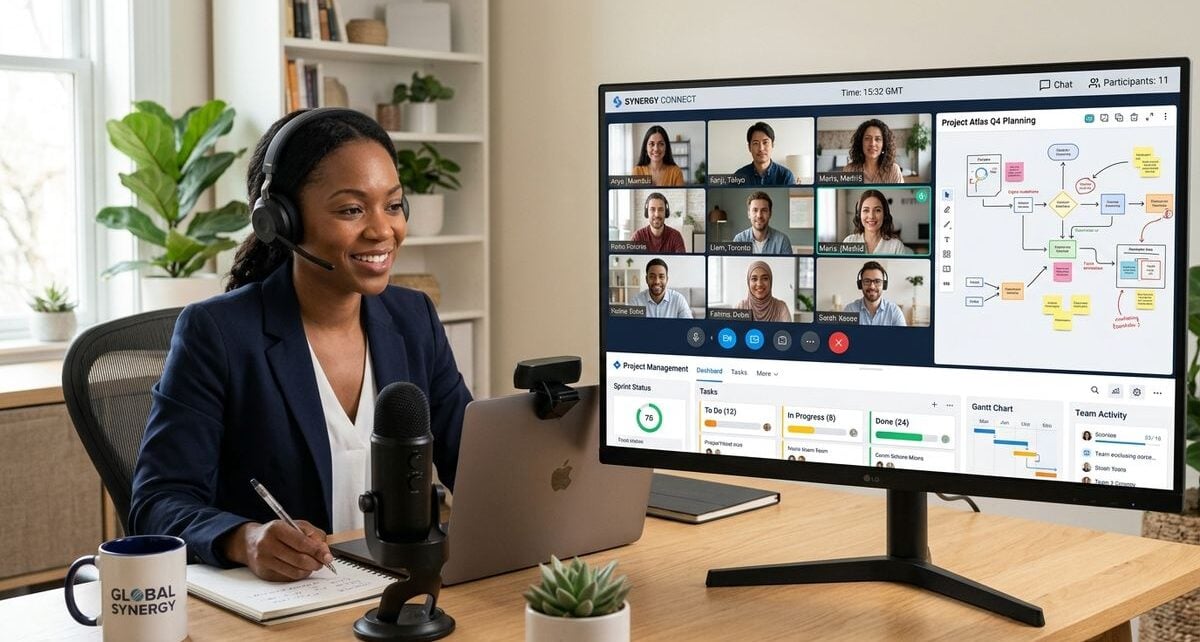
A training course can end with a certificate, a group photo and a feeling of relief. The real results appear in the weeks that follow, when people try new skills on live work and quietly decide what to keep. Business owners who arrange training for their teams can gain a lot from a deliberate follow-up. The steps below describe a sensible sequence for gathering feedback, checking progress, sharing materials and planning refreshers, all without turning the next month into a second course.
Gathering Honest Feedback Soon After the Last Session
Hand out a short feedback form before people leave the final session, while the content is still fresh. Ask about the parts that felt useful, the parts that felt rushed and the topics that did not match the daily work. Keep the form to a few questions so that people complete it honestly rather than rushing through it.
Some owners prefer a private route, especially when the group is small. A quick one-to-one conversation can reveal concerns that people would not share in front of colleagues. Keep notes brief and focused on the content and the support needed, not on individual performance. Readers may also want to visit US-creditcards.com.
Measuring Skills Through Everyday Work
Watch for changes in the work itself rather than relying only on the feedback form. Look for a new habit, such as a clearer customer summary, a more careful checklist or a quicker way to handle a common request. Small improvements in routine tasks usually show that the training is taking hold.
Set a simple way to observe these changes. A supervisor can note two or three examples each week, and the team can discuss them in a short meeting. The goal is to see progress in context, rather than to test people on memory from the course. You can also visit mortgage-2you.com for more reading.
Sharing Course Materials the Team Can Actually Use
Gather the slides, handouts and worksheets into one shared folder that the whole team can open. Label each file with its topic and the date it was last updated, so people can find what they need without asking. A tidy folder encourages staff to return to the material when a real task calls for it.
Remove any outdated pages before you share the folder. A chart that describes an old procedure can cause confusion, and it is better to replace it with a short updated note. For a related read on this site, see Comfort Upgrades for Shared Office Technology.
Arranging Practice Time on Real Tasks
Skills fade quickly when they are not used. Plan a short practice session in the week after the course, where people apply one new technique to a real piece of work. Keep the session focused on a single skill, and let each person explain their approach to a colleague.
Pair experienced staff with those who are still learning. A simple buddy system gives people a place to ask questions without feeling exposed. Sample pairing schedules suit many small teams, though the right mix always depends on the people involved.
Planning Short Refresher Sessions
Most teams benefit from a brief refresher a few weeks after the course. Keep the refresher to a manageable length, and focus on the points that people struggled with in their feedback. A short session often works better than a full day, because it fits around customer work and avoids burnout.
Invite staff to suggest topics for the refresher. Their suggestions show what they are actually facing in the job, and they give the session a practical focus. Record the decision and the date in the team calendar so the plan stays visible.
Updating Onboarding Materials With What You Learned
Use the course feedback to improve the materials you give to new hires. If a topic produced a lot of questions, expand the section that covers it. If a lesson proved irrelevant to daily work, shorten it or remove it. Onboarding that reflects real experience is far more useful than a generic packet.
Share the updated materials with the staff who helped shape them. Seeing their suggestions in the final version builds trust, and it encourages people to speak up next time. A clear note about what changed also shows that the feedback was taken seriously.
Closing the Training Follow-Up
A course becomes valuable only when the lessons show up in daily work. Gather honest feedback, watch for small changes, share usable materials and plan short refreshers. Those steps turn a one-time event into a steady improvement in how the team works together.
Keep a short record of what worked, what did not and what you plan to try next. That record makes the next training round easier to design, because you can begin with evidence rather than guesswork. Over time, the follow-up process becomes one of the most dependable tools for building a capable team.
Ask a few participants to write down one habit they plan to change during the coming week. Those written commitments are easy to check at the next team meeting. Keep the exercise friendly, because a short reminder works far better than a formal audit of progress.