
Energy savings is one of the most common reasons homeowners look into replacing their windows — and one of the most misunderstood. A lot of people assume the savings are minor or take years to show up. In reality, the impact on your home’s energy performance is immediate and meaningful, especially if you’re upgrading from older single-pane or failed double-pane windows. Here’s exactly how it works and what you can realistically expect.
Why Old Windows Drain Your Energy Budget
Before getting into what new windows do, it helps to understand what old ones are doing wrong. Standard single-pane windows have almost no insulating value. Heat moves through glass easily in both directions — out through the glass in winter, in through the glass in summer. Your HVAC system compensates by running longer and harder to maintain whatever temperature you’ve set.
Older double-pane windows that have failed seals are barely better. Once the gas fill between the panes escapes and moisture gets in, the insulating value drops significantly. You can usually spot these by the fogging or condensation trapped between the panes.
Either way, your heating and cooling system is doing extra work every single day, and you’re paying for it.
How Modern Vinyl Windows Fix the Problem
Modern vinyl windows are engineered to address heat transfer at every level. The frame itself uses multi-chamber construction that traps air and resists conduction. The glass package uses two or three panes with an inert gas fill — typically argon — that slows thermal exchange between the interior and exterior. A Low-E coating on the glass surface reflects infrared heat in both directions, keeping warmth inside in winter and blocking solar heat gain in summer.
The spacer system that holds the glass panes apart matters too. Warm-edge spacer technology uses non-metal materials that don’t conduct heat at the glass edge, which is one of the most common weak points in older window designs. Together these elements create a window that performs dramatically better than what most homes are currently running.
For a deeper look at one of the most advanced glass coating technologies available, this triple-layer Low-E glass coating page explains how modern glass coatings work to control heat, UV radiation, and light transmission simultaneously.
The Numbers: What to Actually Expect
Energy savings from new windows vary based on what you’re replacing, your climate, and your home’s overall insulation. That said, some general benchmarks are worth knowing.
Homes replacing single-pane windows with quality double-pane vinyl windows typically see the most dramatic improvements — both in comfort and in measurable energy cost reduction. Homes already running double-pane windows but replacing failed or low-quality units will see more moderate but still meaningful gains. In either case, the reduction in HVAC runtime translates directly to lower monthly bills.
The comfort improvement — fewer drafts, more stable temperatures room to room — shows up immediately regardless of how the numbers shake out.
Climate Zone Matters
Not every window performs the same in every climate, and this is where a lot of homeowners get tripped up when comparing products. A window optimized for the cold winters of the upper Midwest performs differently than one designed for the hot summers of the Southeast.
ENERGY STAR certification accounts for this by dividing the country into climate zones and setting performance thresholds for each one. A window that’s ENERGY STAR certified for your specific zone has been independently tested and verified to meet efficiency standards that make sense for where you actually live. That’s worth paying attention to when comparing products.
For a full breakdown of current ENERGY STAR standards and what they mean for window performance in 2026, this window energy efficiency and certification guide covers the details clearly.
Beyond the Utility Bill: The Full Picture of Savings
Energy savings from new windows aren’t just about the monthly utility bill, though that’s the most obvious benefit. There are a few other financial angles worth considering.
Your HVAC system running less means less wear and tear on the equipment, which extends its lifespan and delays replacement costs. UV-blocking Low-E glass protects your floors, furniture, and window treatments from fading, which has a real dollar value over time. And quality windows with a strong warranty mean you’re not on the hook for repairs or replacements down the road.
All of those factors together make the return on investment for quality vinyl windows significantly better than the utility bill savings alone would suggest.
Getting the Most Out of Your Investment
A few things you can do to maximize the energy performance of new vinyl windows. First, make sure you’re getting the right glass package for your climate — your dealer should be able to advise on this based on your location and your home’s orientation. South and west-facing windows get more sun and may benefit from a higher solar control coating than north-facing ones.
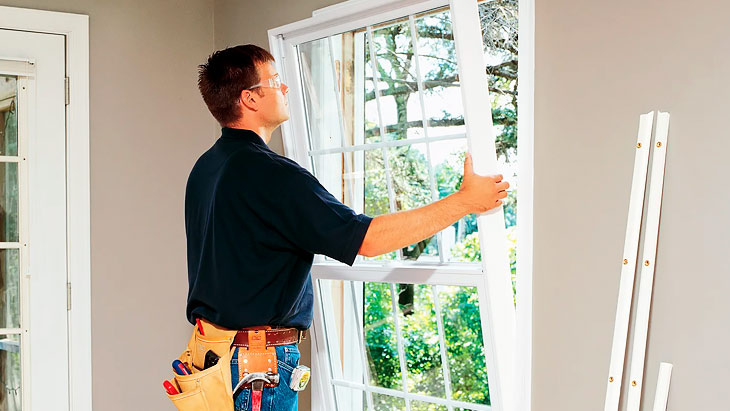
Second, don’t underestimate installation. Air sealing around the frame is just as important as the window itself. A properly installed window with tight sealing on all sides performs dramatically better than the same window installed with gaps or improper flashing.
Third, if you’re phasing your replacement project over time, start with the windows that are clearly failing and the ones in rooms where you spend the most time. That gets you the biggest immediate impact per dollar spent.
The Bottom Line
Vinyl windows deliver real, measurable energy savings — not as a marketing claim, but as a direct result of how they’re engineered. Better frames, better glass, better sealing, and better installation all add up to a home that holds its temperature more efficiently and costs less to heat and cool every single month.
If your current windows are old, failed, or just underperforming, the upgrade pays for itself faster than most homeowners expect.