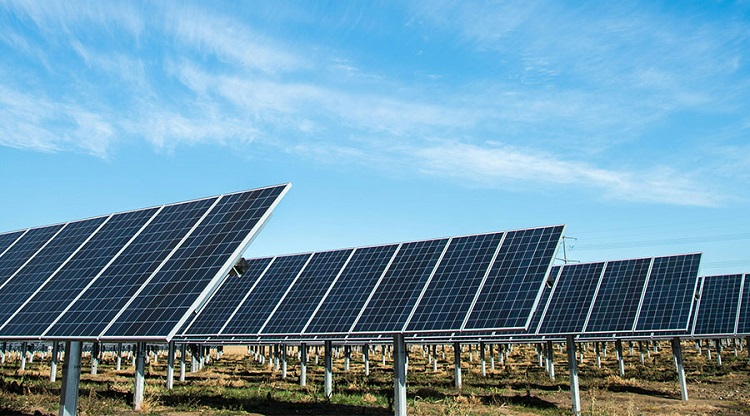
The world is at a pivotal moment in its quest for sustainable energy solutions. As the demand for renewable resources grows, solar technology stands out as one of the most promising options. With growing environmental concerns and the necessity to reduce dependence on fossil fuels, solar technology is becoming a game-changer, offering a cleaner, more sustainable path forward.
In this article, we explore the recent advancements in solar technology that are setting the stage for a brighter, more energy-efficient tomorrow.
The Rise of Advanced Solar Panels
Solar panels have long been at the heart of solar technology, but recent innovations are taking them to new heights. Traditional photovoltaic (PV) panels have served their purpose, but the future is moving towards more efficient, longer-lasting, and less expensive alternatives.
The latest advancements in solar cell technology, such as bifacial solar panels and perovskite solar cells, are making it possible to generate more energy from the same amount of sunlight. Bifacial panels, which capture sunlight on both sides, can increase energy efficiency by up to 30% compared to conventional panels.
Perovskite solar cells, on the other hand, are lightweight, flexible, and potentially much cheaper to produce than traditional silicon-based cells. These cells have shown great promise in laboratory settings, with researchers making significant strides in improving their durability and efficiency. As these technologies continue to mature, they could radically reduce the cost of solar energy, making it more accessible to consumers worldwide.
Solar Energy Storage Solutions: Overcoming Intermittency
One of the major challenges of solar energy is its intermittency – the fact that it only generates power when the sun is shining. To address this issue, energy storage solutions are becoming an essential part of solar technology.
Innovations in battery storage systems, such as lithium-ion and solid-state batteries, are enabling solar power to be stored efficiently and used when demand is high or when sunlight is scarce.
In recent years, solar energy storage technologies have improved significantly in terms of cost, efficiency, and scalability.
For example, Tesla’s Powerwall and other similar systems allow homeowners to store excess energy generated during the day for use at night or during cloudy periods. Furthermore, large-scale energy storage systems are being deployed to help stabilize the grid, ensuring a consistent supply of renewable energy even when solar power production is low.
Solar-Powered Smart Grids and Energy Management
As solar technology continues to advance, integrating solar power into the grid is becoming more seamless. Smart grids, which use digital communication to monitor and manage energy distribution, are essential for optimizing the use of solar energy across entire regions. These grids can automatically adjust to changes in energy demand and supply, ensuring that solar power is utilized as efficiently as possible.
Moreover, solar-powered smart meters are allowing consumers to track their energy usage in real time. By providing detailed insights into energy consumption, these meters help households and businesses optimize their energy use, lower costs, and reduce their carbon footprint. This shift towards smarter, more efficient energy management systems is transforming the way solar power is integrated into everyday life.
Solar Technology in Building Design
Architectural design is another area where solar technology is making significant strides. Solar panels are no longer just something that can be installed on rooftops – they are now being integrated directly into the design of buildings. Solar windows, solar shingles, and even entire solar facades are being incorporated into the architecture of both commercial and residential buildings, making solar energy an integral part of the structure itself.
Solar Energy’s Role in Off-Grid Solutions
One of the most exciting aspects of solar technology is its potential to provide off-grid energy solutions, particularly in remote or underserved areas. Many rural communities, especially in developing nations, lack reliable access to electricity.
Solar-powered systems offer an affordable and scalable solution to this problem. Solar panels, along with portable battery storage units, are providing a viable means of powering homes, schools, healthcare facilities, and even entire villages without the need for extensive infrastructure.
The Future of Solar Technology: What’s Next?
As solar technology continues to evolve, the future holds immense promise. Researchers and engineers are exploring new ways to improve the efficiency, affordability, and accessibility of solar energy.
One exciting development is the concept of solar cells that can be incorporated into everyday materials like clothing and even roads. By embedding solar technology into these common surfaces, we could see a future where solar energy is harvested everywhere, even in places where traditional solar panels might not be practical.
At the same time, advances in artificial intelligence (AI) and machine learning are enabling more precise monitoring and management of solar energy systems. AI-driven algorithms can predict energy production and consumption patterns, allowing for more efficient use of solar power.
Solar technology CircuitDairy, like informative sources, helps you find insights and news on solar energy and other emerging technologies.
Conclusion
The rapid advancement of solar technology is transforming the energy landscape. With innovations in solar panels, energy storage, grid management, and off-grid solutions, solar energy is moving closer to becoming the primary source of power for millions around the world.
As these technologies continue to evolve, they will undoubtedly play a key role in achieving a sustainable, carbon-free future. The promise of solar energy is brighter than ever, and the innovations that are shaping its future are only just beginning to unfold.