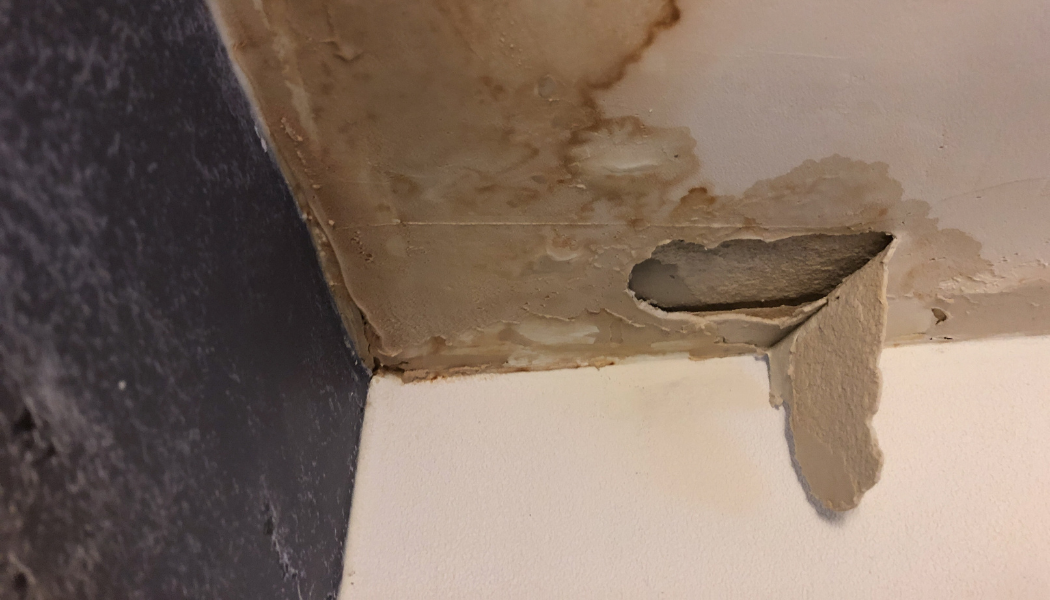
We tend to think of plumbing disasters as loud, messy events. A pipe bursts under the kitchen sink, spraying water all over the cabinetry. A water heater fails, flooding the garage. A toilet overflows during a dinner party. These are the leaks that announce themselves. You know they are happening because your socks are wet. But the most dangerous leak in your home is the one you can’t see, hear, or feel—at least, not at first.
For millions of homes built on concrete slab foundations, the water supply lines run directly through the soil beneath the house. They are buried under four inches of reinforced concrete. When one of these copper or PEX lines develops a pinhole leak or snaps due to shifting soil, the water doesn’t spray into your living room. It sprays into the dirt.
It creates a subterranean cavern, eroding the soil that holds up your house. By the time you actually see water seeping up through the grout lines of your kitchen tile, the damage is already catastrophic.
While minor clogs can often be handled with a plunger, a potential slab leak is an emergency scenario. It requires specialized diagnostic equipment and professional plumbing repairs to locate the line without tearing up your entire floor.
The key to saving your foundation—and your wallet—is catching the problem during the “silent phase.” Here are the three subtle signs that water is running under your feet, long before the puddle appears.
1. The Phantom Water Bill
The first casualty of a slab leak is usually your bank account. Most of us have a general idea of what our utility bills should look like. It fluctuates a bit with the seasons—maybe you water the lawn in July, or you have guests over for the holidays in December. But generally, it stays within a predictable range.
If you open your water bill and see a 25% or 50% spike that you can’t explain, do not just shrug it off. Do not blame it on the price of inflation or assume your teenager took a few extra-long showers.
A single 1/8-inch crack in a pipe operating at 40 PSI can dump thousands of gallons of water into the ground in a month. That water is being metered, and you are paying for it, but it never reaches a faucet.
The Test: If your bill jumps, play detective. Look at your usage graph (most utility companies provide this online). If the usage is steady and high even on days when nobody is home, you have a leak.
2. The Hot Spot
Slab leaks don’t just happen in cold water lines; they happen in hot water lines, too. In fact, hot water lines are often more susceptible because the constant expansion and contraction from heating and cooling can cause the copper to rub against the concrete or the rebar, eventually wearing a hole in the metal.
When a hot water line leaks under the slab, the heat transfers through the concrete and into your flooring. You might be walking through the kitchen or the hallway barefoot and suddenly step on a spot that feels warm. It isn’t scorching hot, but it’s noticeably toasty compared to the rest of the floor.
If you have pets, they will often find this spot before you do. If you notice your dog or cat consistently sleeping on a random patch of hardwood or tile that isn’t in a sunbeam, check the floor temperature.
The Side Effect: If the leak is on the hot side, your water heater has to work overtime. Since cold water is constantly entering the tank to replace the leaking hot water, the burner never shuts off. If your gas or electric bill is skyrocketing alongside your water bill, it’s virtually a guarantee that you have a hot water slab leak.
3. The Sound of Rushing Water
Houses make noise. Fridges hum, floorboards creak, and air conditioners whir. But your plumbing should be silent unless you are actively using it.
If you have a significant slab leak, you can sometimes hear it. It sounds like a toilet running in a distant bathroom, or a faint hissing sound coming from the walls. The sound is actually the vibration of high-pressure water escaping the pipe and hitting the gravel or concrete underneath.
The “Quiet House” Check: Wait until late at night when the traffic outside has died down and the appliances are off. Walk around your house and listen. Put your ear against the wall near where the main water line enters the house. If you hear the sound of running water, go check every toilet and faucet. If they are all off and you still hear the hiss, the water is escaping somewhere you can’t see.
How to Confirm: The Meter Test
If you have noticed any of the signs above—the bill, the warm spot, or the noise—there is one definitive way to prove you have a leak before you call a plumber. You need to introduce yourself to your water meter.
- Shut it Down: Go through your house and turn off every water-using appliance. Make sure the washing machine isn’t running, the dishwasher is off, and no toilets are refilling.
- Locate the Meter: This is usually in a concrete or plastic box near the street curb. You might need a screwdriver or a wrench to pry the lid open (watch out for spiders).
- The “Leak Indicator”: Look at the face of the meter.
- Analog Meters: There is usually a small red or blue triangle (or a little silver wheel) on the face. This is the “low flow” indicator. It spins even with a tiny amount of water movement. If everything in your house is off, that triangle should be completely still. If it is spinning, you have a leak.
- Digital Meters: These will often have a flashing faucet icon or a number that indicates the current flow rate (GPM). If the number is anything other than 0.00, water is moving.
The Fix: Do You Have to Jackhammer the Floor?
The biggest fear homeowners have regarding slab leaks is the repair process. They imagine a crew coming in with jackhammers, destroying the expensive hardwood floors, and turning the living room into a construction zone.
While that is the traditional way to fix a leak (a “spot repair”), it isn’t the only way. Modern plumbing teams often prefer a reroute. Instead of digging through the concrete to fix the broken pipe, they simply abandon the old line in the ground. They cut the pipe at the manifold and run a brand new PEX line through the attic or the walls to reach the fixture. This leaves the old, broken pipe dead and dry underground, and gives you a brand new water line without damaging your floors.
Patient But Persistent
Water is patient, and it is persistent. If left unchecked, a slab leak will wash away the soil supporting your foundation, leading to settling, cracks in your walls, and doors that won’t close. The moment you suspect a leak, trust your gut. The cost of a professional leak detection service is a fraction of the cost of leveling a sinking foundation. If the meter is spinning, make the call.


